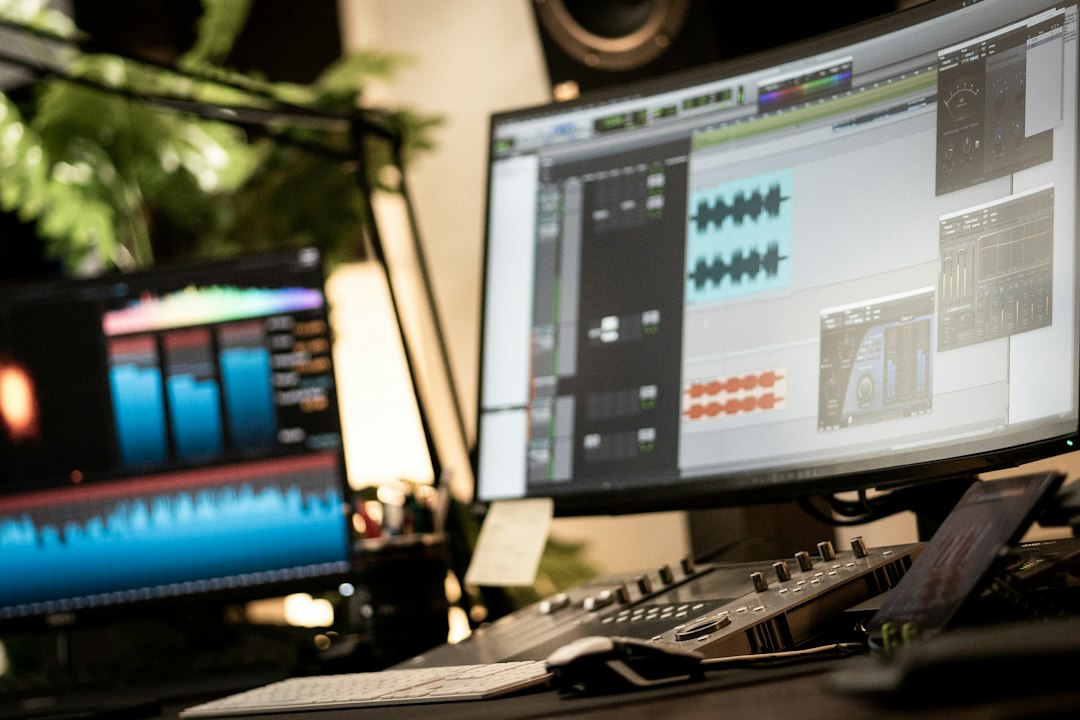
An AI-augmented workflow is the focus of this article. The evolution of digital media has transformed what it takes to publish online. Creators once patched together consumer apps and borrowed templates on entry-level laptops. Today, artificial intelligence embeds itself into every phase of production. This shift allows individuals with mid-range devices to manage robust content engines.
Yet, advanced technology introduces new challenges. Instantaneous generation raises the risk of uninspired material. Sustainable operations require a structured methodology that protects authenticity while driving efficiency.
Deconstructing the Linear Creator Pipeline in an AI-Augmented Workflow
Traditionally, content creation moves through rigid stages: conceptualizing, research, scripting, recording, editing, and packaging. Each step introduces friction and demands time. Modern workflows replace these isolated chores with automated assistants.
For example, ideation in competitive markets requires deep analytical rigor. Creators addressing complex subjects like personal finance rely on more than trends. They feed verified market reports and search data into intelligent workspaces. These systems analyze public knowledge gaps and draft initial scripts before a camera rolls.
Streamlining Post-Production and Visual Asset Generation
The heaviest operational burden has always resided in post-production. Trimming raw footage, color grading, and sourcing B-roll consumed hours of manual labor. Contemporary platforms like Adobe Premiere Pro, InVideo, and Descript convert timeline-dragging chores into text-editing tasks.
Furthermore, campaigns demand static images, promotional thumbnails, and ad concepts. Platforms like CapCut integrate multiple formats directly into a single environment. They use text-to-video engines such as Seedance 2.0 to generate short-form video drafts and storyboards. They also use prompt-based image creation modules like GPT Image 2 for mockups and cover graphics. This multi-format approach helps teams test visual directions before final edits.
For readers looking to expand their digital productivity stack beyond media production, exploring broader AI productivity tools for freelancers can offer additional efficiencies in task management and organization.
Navigating Multilingual Distribution and Localization
One profound shift in digital publishing is the breaking down of language barriers. While urban audiences consume vast English media, real growth lies in local languages. Expanding a channel historically meant coordinating expensive dubbing sessions and re-recording audio tracks.
Today, hyper-realistic voice cloning and automated dubbing platforms—including Dubverse, ElevenLabs, and Murf.ai—transform distribution economics. Creators can record a master video in their native tongue and deploy AI dubbing pipelines to output identical content in multiple languages within minutes. Context-aware models adapt local idioms. Voice-cloning technology preserves the unique pitch, emotional cadence, and vocal timbre of the original speaker.
Foundational Research and Audience Targeting
Before any script is written, foundational research dictates whether content will resonate. Utilizing specialized data discovery tools helps creators align their output with actual audience demand rather than assumptions.
- Keyword Discovery: Using comprehensive databases like the Semrush Keyword Magic Tool allows creators to analyze search volumes and keyword difficulty across organic and paid channels, organizing insights into targeted thematic clusters.
- Trend Analysis: Platforms such as Google Trends help identify seasonal interest shifts and emerging topics before mainstream saturation, ensuring timely publication.
By establishing rigorous research practices early, creators minimize the risk of investing production time into topics with fading public interest.
Operational Trade-Offs and System Limitations
While adopting automated pipelines yields undeniable speed, creators must navigate clear operational trade-offs and tool limitations. Fully automated systems often struggle with nuanced historical contexts or emerging regulatory changes not yet indexed in training datasets. Consequently, relying blindly on automated text generation risks factual inaccuracies.
Another major limitation involves subscription fatigue and platform fragmentation. Subscribing to separate specialized tools for voice cloning, script generation, video editing, and keyword tracking can escalate monthly overhead. Creators must strategically audit their tech stack, prioritizing modular integrations that consolidate workflows without inflating software costs.
Unconfirmed Specifications and Future Ecosystem Boundaries
As the market continues to evolve, several long-term capabilities of generative workflows remain unconfirmed. While current third-party reviews and industry reports highlight rapid advancements in multi-modal video and voice tools, official documentation from software providers often lacks concrete timelines for autonomous multi-agent publishing. Creators should approach emerging claims of fully hands-off channel management with careful skepticism. The industry standard remains firmly rooted in human-in-the-loop validation, where AI accelerates asset creation but does not independently execute high-level strategic decisions or guarantee algorithmic compliance across shifting platform terms of service.
Balancing Automation With Creator Authenticity
As generative capabilities become ubiquitous, maintaining a distinct voice is essential for audience trust. Automated systems excel at heavy lifting—such as drafting storyboards and generating rough cuts—but they cannot replicate lived experience or genuine critique.
Successful creators use software to eliminate operational friction rather than replace creative judgment. Brand review, fact-checking, and final editorial oversight remain strictly human responsibilities. When automation handles administrative bottlenecks, creators dedicate more energy to developing unique angles and fostering community engagement.
Practical Checklist for Building Your Creator Workflow
Implementing an efficient AI-driven content engine requires a disciplined approach. Use this checklist to audit and refine your production pipeline before publishing your next campaign:
- Define Your Target Metrics: Use keyword research tools like the Semrush Keyword Magic Tool and Google Trends to confirm search demand before drafting scripts.
- Standardize Ideation: Feed verified data sources and audience research into your workspace to generate structured outlines rather than casual prompts.
- Batch Asset Production: Utilize multi-format platforms such as CapCut’s Seedance 2.0 for video drafting and GPT Image 2 for static thumbnails to maintain visual consistency.
- Localize with Care: Deploy voice-cloning tools like ElevenLabs, Dubverse, or Murf.ai for multi-language distribution, ensuring strict manual spot-checks for tone accuracy.
- Enforce Human Review: Retain mandatory editorial checkpoints for fact-checking and brand safety prior to final export and distribution.
Frequently Asked Questions
1. Does using automated scripts hurt search engine rankings?
Search engines prioritize content quality, user intent, and factual accuracy over the method of creation. If a tool is used solely to draft an outline and the final text is rigorously fact-checked, edited, and infused with original human insights, it will not face search penalties. Publishing raw output, however, leads to low engagement due to repetitive phrasing.
2. How can small teams prevent brand voice dilution when using multiple tools?
Teams should establish a centralized style guide and fine-tune custom prompt templates within their software platforms. Maintaining strict editorial oversight ensures that vocabulary and tone guidelines remain consistent across every published asset.
3. What is the safest way to implement voice cloning for global distribution?
Always secure explicit legal consent from the speaker whose voice is being cloned. Additionally, perform manual spot-checks on translated audio tracks to ensure that technical terminology, regional idioms, and emotional delivery match the intent of the original master recording.
The Practical Takeaway for Modern Creators
Adopting an AI-augmented workflow is no longer an optional luxury; it is the baseline infrastructure for individual operators and small teams alike. By integrating research platforms, multi-format editing environments, and automated localization tools, creators scale their output without proportionally increasing their overhead.
The key to long-term sustainability lies in discipline. Treat software as an accelerator for drafting and distribution, but retain strict human control over research validation, creative direction, and brand authenticity. In a crowded digital marketplace, efficiency opens the door, but genuine perspective keeps the audience engaged.
Related FutureGearAI Articles
Continue with these related articles for additional context: Navigating the Shift in Student Study Workflows: AI Tools, Bundles, and Practical Guardrails
Sources & further reading
- 5 AI Tools to Supercharge Your Instagram Content — moneycontrol.com
- 22 Best AI Tools in 2026: Complete Directory by Category — Memeburn
- The good, the bad and the authentic: How content creators are building a new workflow with the help of AI tools | Mint — Mint
- Content Creation Guide: All the tools you need as a content creator — Digit