Daily Electric Mobility: Electric Cars in India for Daily Driving
Daily electric mobility is moving past early-adopter novelties into mainstream urban transport. Across metropolitan corridors, adoption is accelerating differently depending on the vehicle segment. While luxury buyers are transitioning rapidly—with performance brands noting that every fourth vehicle sold in certain luxury stables is now battery-operated [2]—the mass market focuses squarely on practical daily metrics. Buyers evaluate battery capacity, real-world distance per charge, and infrastructure access.
Evaluating electric cars in India for daily driving requires looking closely at how battery specs translate into day-to-day commuting realities. Urban driving patterns involve heavy stop-and-go congestion. This congestion impacts energy consumption differently than highway cruising. Buyers navigating daily electric mobility must weigh upfront ex-showroom prices against long-term running economies. They must also consider the physical realities of home and public charging networks.
Daily Electric Mobility: Segment Breakdown and Battery Options
The domestic market hosts a wide spectrum of battery capacities. Options range from compact city commuters to long-range luxury sedans and SUVs. Compact choices like the Tata Tiago EV feature smaller battery setups delivering modest ranges suited for tight city cores. Prices span from Rs. 6.99 to 10.09 Lakh [5]. On the other end, mid-size offerings such as the Maruti Suzuki e Vitara and Mahindra XEV 9e pack larger battery packs. These stretch real-world capability past the 400-kilometer mark [5].
International models also enter the fold with high-capacity configurations. Luxury imports like the Mercedes-Benz CLA electric offer dual variants. These include the CLA 200 Standard Range and the CLA 250+ Long Range equipped with an 85 kWh battery pack, supporting extended travel capabilities [4]. Prospective buyers can also consult our budget electric car market analysis to see how pricing shifts across price tiers.
Charging Infrastructure and Speeds
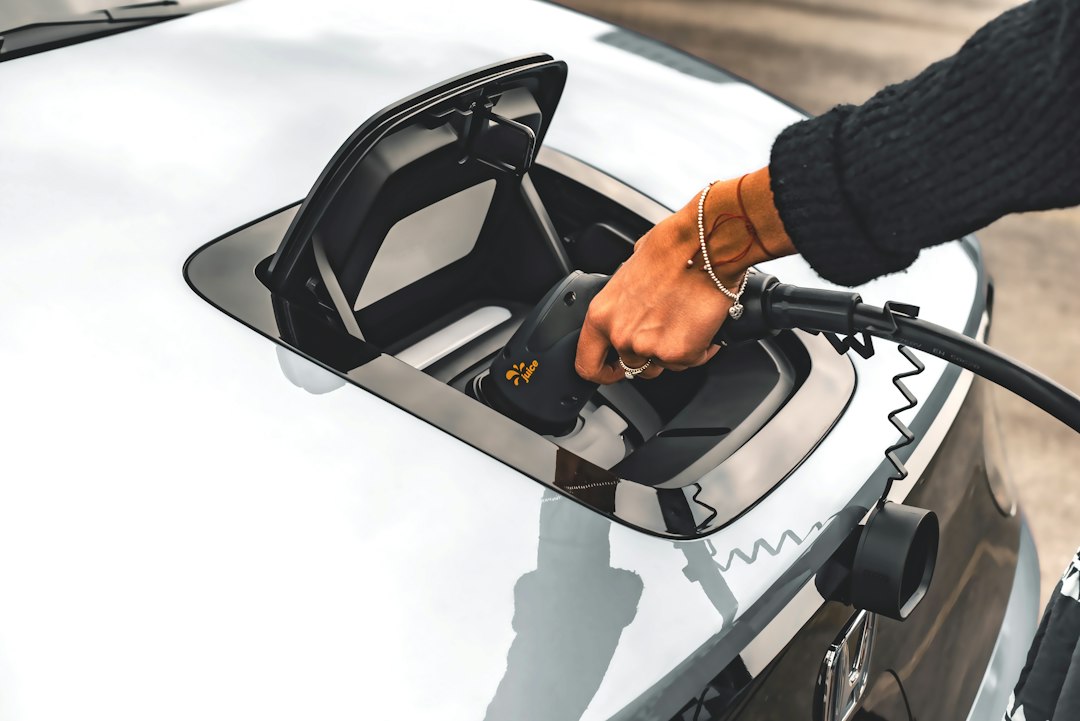
Range anxiety remains a primary talking point for daily commuters. This makes charging speed and network availability critical decision criteria. Modern EVs support varying levels of alternating current and direct current fast charging. High-end architectures like the Mercedes-Benz CLA 250+ support DC fast charging up to 320 kW. This allows vehicles to replenish significant driving range in under half an hour under ideal conditions [4]. Standard urban charging typically relies on AC wallbox units installed at residential or office locations.
Beyond proprietary dealer networks—such as Mercedes-Benz’s ‘MB.With the CHARGE’ ecosystem providing access to thousands of public touchpoints across the country [4]—public charging corridors continue to densify. Home setups remain the backbone of daily convenience. Readers can explore detailed setup strategies in our guide on home EV charging infrastructure in India to understand installation requirements and load management beyond public networks.
Running Costs and Financial Realities
Calculating the running cost of battery vehicles involves contrasting higher ex-showroom purchase prices against lower per-kilometer energy expenses. These expenses are compared against internal combustion engines or traditional hybrids. Home charging typically yields running costs of roughly Rs. 1 to Rs. 1.5 per kilometer. This is based on average residential electricity tariffs. Traditional petrol hatchbacks often run between Rs. 8 to Rs. 10 per kilometer depending on fuel prices and city mileage.
Ex-showroom prices vary widely across the market. Entry-level mobility solutions like the Vayve Mobility Eva start at Rs. 3.99 Lakh [5]. Mass-market favorites span from compact hatchbacks to utility vehicles priced upwards of fifteen to thirty lakh rupees. Luxury nameplates scale significantly higher [5]. Buyers must factor in fluctuating factors such as prevailing foreign exchange rates at launch, local municipal incentives, road tax exemptions, and insurance costs when calculating total cost of ownership.
Analytical Takeaways for Daily Commuters
Transitioning to daily battery-powered commuting involves distinct structural trade-offs that go beyond simple fuel savings:
- Infrastructure Dependency: Daily convenience is directly tied to having a dedicated parking spot with a home or workplace charger. Relying entirely on public fast-charging networks for daily office commutes introduces scheduling friction.
- Range Buffering: Rated manufacturer ranges rarely match peak bumper-to-bumper urban traffic conditions running heavy cabin air conditioning. Buyers should discount stated ranges by roughly twenty to thirty percent for conservative daily planning.
Buyer Evaluation Checklist
To determine if a battery vehicle fits a specific daily driving routine, prospective buyers should evaluate the following criteria:
- Calculate average daily running distance. Verify if home charging can replenish that energy overnight during off-peak hours.
- Assess local parking security and society rules regarding the installation of dedicated AC wallbox chargers.
- Review the nearest DC fast-charging highway corridors if regular weekend out-of-town trips form part of the vehicle’s utility requirement.
- Compare ex-showroom figures against variant-specific features. Note that launch prices often adjust depending on foreign exchange rates and regional taxation updates [4].
Practical Implications of Urban EV Adoption
Adopting electric mobility for daily urban use introduces specific operational considerations. These considerations affect how drivers interact with their vehicles. Unlike internal combustion vehicles, which can be refueled in minutes at conventional fuel stations, electric cars demand a shift toward proactive energy management. For apartment dwellers, this often means coordinating with housing society management boards. They must secure permission, electrical load approvals, and dedicated routing for AC wallbox installations.
Furthermore, climate control plays a substantial role in daily energy drain. Running high-intensity cabin air conditioning during severe summer months can reduce overall vehicle range by a noticeable margin. Drivers must balance thermal comfort with distance optimization. This is particularly true when navigating dense urban ring roads characterized by frequent acceleration and deceleration cycles.
On the maintenance front, the reduction of mechanical components significantly cuts down routine service intervals. These components include multi-cylinder engines, exhaust systems, and complex multi-speed transmissions. However, brake pad wear behaves differently due to regenerative braking systems. These systems capture kinetic energy and feed it back into the battery pack. This technology extends component lifespan while introducing a unique pedal feel. Drivers must adapt to this feel during standard city commutes.
Understanding Real-World Range Fluctuations and Battery Chemistry
When analyzing specifications released by manufacturers, prospective owners must recognize how laboratory testing cycles differ from chaotic Indian road conditions. High ambient temperatures across various regions place additional demands on thermal management systems. These systems actively cool or heat the battery pack to maintain optimal operating efficiency. While premium offerings incorporate advanced liquid-cooling configurations and aerodynamic profiling [4], smaller city hatchbacks operate under different thermal and aerodynamic constraints.
Moreover, driving style directly dictates energy retention. Rapid acceleration from traffic signals draws high current spikes from the onboard inverter and battery pack. This drains available kilowatt-hours faster than steady-state cruising. Drivers transitioning from petrol or diesel vehicles must cultivate smoother throttle modulation. Doing so maximizes everyday efficiency and minimizes unexpected battery depletion during extended cross-town trips.
Navigating Public Charging Networks and Interoperability
While home charging anchors daily routines, occasional long-distance driving or unexpected detours require reliance on public infrastructure. The Indian public charging landscape continues to expand through various automotive brand ecosystems and independent energy providers. Proprietary networks—such as Mercedes-Benz’s ‘MB.With the CHARGE’ initiative offering access to thousands of points [4]—simplify the discovery and payment process for luxury owners. However, mass-market users often juggle multiple smartphone applications and RFID cards from different operators to access scattered DC fast chargers.
Interoperability and standardization remain ongoing challenges across municipal and highway corridors. Fast chargers vary in output capacity, ranging from modest units up to ultra-fast 320 kW connections. These connections are capable of adding substantial range in under half an hour [4]. Verifying connector compatibility and checking real-time charger availability via digital apps are essential habits for drivers who venture beyond metropolitan boundaries.
Frequently Asked Questions
How does heavy traffic congestion impact electric vehicle range?
Unlike traditional fuel-powered cars that consume fuel wastefully while idling in traffic, electric vehicles utilize minimal energy when stationary. However, frequent stop-and-go acceleration draws considerable current from the battery pack. Fortunately, regenerative braking recovers some of this expended energy during deceleration. This partially mitigates the range penalties associated with heavy urban congestion.
Is home charging mandatory for daily electric car ownership?
While not strictly mandatory, having access to a home or workplace AC charging station is highly recommended for convenient daily ownership. Relying exclusively on public DC fast chargers for day-to-day commuting can increase refueling costs. It can also subject the battery to accelerated thermal cycles and introduce scheduling inconveniences into your weekly routine.
What should I look for when evaluating battery warranties?
Buyers should examine the manufacturer’s warranty coverage for the high-voltage battery pack. This coverage typically spans eight years or a specified mileage limit. Additionally, check the guaranteed state-of-health percentage. This is usually a guarantee that the battery will retain a high percentage of its original capacity by the end of the warranty period.
Planning Your EV Transition
Adopting electric vehicles for daily driving in India requires balancing upfront acquisition costs against substantial per-kilometer savings. While home charging setups provide the most economical and reliable energy replenishment, public infrastructure continues to evolve. By evaluating daily running distances, local parking infrastructure, and vehicle battery specifications realistically, buyers can successfully integrate daily electric mobility into their routine.
Sources & further reading
- India’s rich are embracing electric cars like never before. Here’s what is driving the shift — moneycontrol.com
- Mercedes-Benz CLA electric India launch on this date: Range, battery & more – The Times of India — Indiatimes
- Electric Cars in India | EV Car Prices 2026, Mileage, Images | CarDekho — CarDekho