India’s EV market in 2026 is moving beyond early adoption, but the transition is uneven across two-wheelers, three-wheelers, buses, trucks and passenger cars. Registration data shows strong activity, while charging availability, purchase price, battery warranty and daily driving patterns still determine whether an EV makes financial sense for an individual buyer.
For buyers, the most useful question is not simply whether EV adoption is rising. It is whether the available vehicle, charging network and ownership costs match the way you actually drive. This article focuses on the practical factors that matter when evaluating an EV in India in 2026.
India’s EV Market in 2026: What the Latest Data Shows
The Ministry of Heavy Industries’ PM E-DRIVE dashboard provides a useful official snapshot. As of 6 October 2026, its 2026-27 dataset showed 10,48,304 total registrations across the covered e-2W, e-3W and e-truck categories, including 9,60,342 registered e-2Ws, 4,810 registered e-3Ws plus temporary registrations, and 243 registered e-trucks. The dashboard states that the figures are based on digitized Vahan 4 records, so they should be read as scheme/dashboard data rather than a complete measure of every EV on Indian roads. citeturn0search0
Government data also shows that EV adoption is not limited to private cars. Under PM E-DRIVE, more than 23.45 lakh EVs had been reported sold by 16 March 2026 across supported categories, while 13,800 e-buses had been allocated in two phases for deployment in seven major cities including Mumbai and Pune. citeturn0search24
Which EV Segments Are Growing Fastest?
Electric two-wheelers and three-wheelers remain particularly important because high daily usage can make lower energy and maintenance costs more meaningful. Passenger electric cars are growing too, but their adoption depends more heavily on upfront price, financing, home charging and access to dependable fast chargers.
SIAM reported that electric passenger-vehicle registrations increased by more than 80% in FY 2025-26 compared with the previous year. The broader automobile market also entered FY 2026-27 with strong demand, although EV growth varies considerably by segment and manufacturer. citeturn0search2
Government Support and PM E-DRIVE
Policy remains an important part of India’s EV market. The PM E-DRIVE programme has an outlay of ₹10,900 crore and supports eligible electric two-wheelers, three-wheelers, e-trucks, buses and ambulances, along with charging infrastructure and testing capabilities. The government is also supporting domestic EV and battery manufacturing through other industrial programmes. citeturn0search25turn0search1
For buyers, incentives and tax treatment can change the effective cost of an EV. EVs currently attract a 5% GST rate according to SIAM’s tax information, but state-level registration charges, road taxes, subsidies and local policies can differ. Buyers should therefore check the current rules in their state before calculating the final on-road price. citeturn0search9
Charging Infrastructure Is Still a Key Challenge
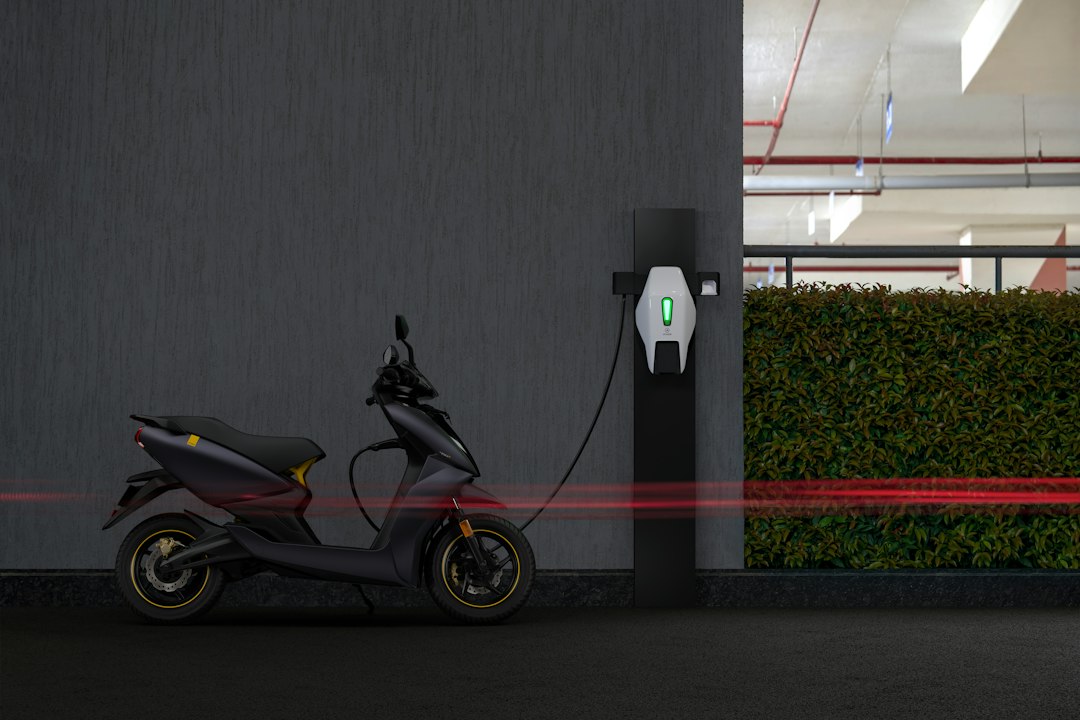
Charging is one of the biggest practical differences between an EV and a petrol or CNG vehicle. A buyer who can charge at home overnight may have a very different ownership experience from someone who depends entirely on public charging.
- Home charging: usually the most convenient option for regular private use.
- Workplace charging: useful for commuters who cannot charge at home.
- Public fast charging: important for highway trips and users without dependable home access.
- Fleet charging: requires careful planning around uptime, electricity capacity and operating schedules.
The quality of the charging network matters as much as the headline number of chargers. Reliability, location, connector compatibility, payment options and charging speed can all affect the real-world experience.
EV Battery Life, Range and Heat Management
Modern EVs use battery-management and thermal-management systems to control charging, temperature and battery performance. However, battery chemistry and cooling systems vary between models. Buyers should compare the actual vehicle’s battery warranty, warranty conditions, charging limits and service support instead of assuming every EV battery will age in the same way.
Real-world range is also different from a laboratory or certification figure. Highway speeds, air-conditioning use, traffic, payload, weather and driving style can all affect energy consumption. For a daily commuter, an EV with a realistic range comfortably above the normal weekly requirement may be more useful than a model with a larger headline number but higher purchase cost.
EV vs Petrol vs CNG: Which Makes More Sense?
| Factor | EV | Petrol/CNG |
|---|---|---|
| Energy cost | Can be low, especially with home charging | Depends on fuel prices and efficiency |
| Refuelling | Usually slower, but convenient at home | Generally faster at established fuel stations |
| Maintenance | Fewer conventional powertrain components | More engine-related maintenance |
| Long-distance use | Requires charging-route planning | Usually easier where fuel stations are widespread |
| Best fit | Regular predictable driving with charging access | Mixed use, frequent long trips or limited charging |
What EV Buyers in India Should Check in 2026
- Calculate your daily distance: compare it with realistic, not claimed, range.
- Check charging access: confirm whether home or workplace charging is practical.
- Compare battery warranty: read the years, kilometres and conditions carefully.
- Check service support: look at the manufacturer’s network in your city and on common travel routes.
- Calculate total ownership cost: include insurance, financing, electricity, tyres and expected maintenance.
- Plan for resale: consider battery warranty remaining, brand support and demand for used EVs.
Where India’s EV Market Is Heading
India’s EV transition is becoming a multi-segment story rather than a simple replacement of petrol cars with electric cars. Two-wheelers and three-wheelers can benefit from high utilization, while passenger EVs are becoming more practical as model choice and charging access improve. Buses and commercial vehicles could also play a major role because fleet operators can centralize charging and measure operating costs.
SIAM’s 2026 industry updates show strong overall vehicle demand and describe accelerating adoption of alternative drivetrains. The association has also highlighted charging infrastructure, electric heavy vehicles and cleaner mobility as important parts of India’s longer-term transition. citeturn0search6turn0search8
How EV Ownership Costs Compare in 2026
The purchase price is only one part of the EV equation. A useful comparison should include energy, servicing, insurance, financing, tyres and expected resale value. An EV can have a higher upfront price than a comparable petrol model, but lower energy and routine maintenance costs may narrow the gap over several years.
For a commuter who drives predictable daily distances and charges at home, an EV can provide a convenient overnight charging routine. A driver who regularly covers long highway distances may place a higher value on fast-charging coverage and short charging stops. This is why the cheapest EV on paper is not necessarily the cheapest vehicle to own for every buyer.
Before deciding, compare the vehicle’s realistic range with your weekly distance, check the cost of installing a home charger, and ask the manufacturer about battery warranty conditions. You can also compare the broader powertrain choices in our petrol vs diesel vs CNG vs hybrid vs EV guide.
Where EV Buyers Should Expect the Biggest Changes
The next stage of India’s EV market is likely to be shaped by better charging coverage, wider model choice and greater attention to total ownership cost. Commercial fleets may accelerate adoption because high vehicle utilization makes energy and maintenance savings easier to measure. Passenger-car buyers, meanwhile, are likely to compare range, charging speed, battery warranty and software features more closely as more models enter the market.
Local conditions will remain important. A buyer in Mumbai, Pune or another large city may have access to more charging options than someone who frequently travels through smaller towns. The same EV can therefore be a convenient daily vehicle for one owner and a difficult fit for another. Checking your actual routes before purchase is more useful than relying only on national charging statistics.
Is an EV Worth Buying in India in 2026?
For many urban buyers, an EV can be a strong choice when daily driving is predictable and reliable charging is available. It is especially attractive for people who can charge at home and keep the vehicle for several years. However, buyers who frequently travel long distances through areas with limited charging, or who cannot install convenient charging at home, should compare an EV against CNG, petrol and hybrid alternatives before deciding.
Frequently Asked Questions
Is India’s EV market growing in 2026?
Yes. Official PM E-DRIVE data shows substantial EV registration activity, while industry data indicates strong growth in electric passenger-vehicle registrations. Growth is not uniform across every vehicle segment. citeturn0search0turn0search2
Which EV segment is most important in India?
Electric two-wheelers and three-wheelers are major parts of the current transition, while electric passenger cars, buses and commercial vehicles are also expanding.
Is charging infrastructure good enough for an EV?
It depends heavily on location and usage. Home charging can make ownership easy, while frequent highway travel requires checking the availability and reliability of public fast chargers on your routes.
Are EVs cheaper to run than petrol cars?
They can be, particularly when charged at home and driven regularly. The actual saving depends on electricity and fuel prices, vehicle efficiency, insurance, financing and maintenance.
Bottom Line
India’s EV market in 2026 is growing, but there is no single EV ownership formula that works for everyone. The strongest buying decision comes from matching the vehicle to your daily distance, charging access, budget and travel pattern. As the market expands across two-wheelers, cars, buses and commercial vehicles, charging reliability and total cost of ownership will remain just as important as the vehicle’s headline range.
Sources & Further Reading
For current information, check the Ministry of Heavy Industries PM E-DRIVE dashboard, official government EV scheme documents and SIAM’s latest automobile-industry updates. citeturn0search0turn0search24turn0search6