Choosing a smartphone in 2026 is less about the biggest specification number and more about matching hardware and software to how you use your phone. Indian buyers now see performance phones, camera-focused models, premium flagships and devices with long software support. This guide explains what to check before you buy.
Quick answer: Start with your budget and main use (gaming, photography, long-term ownership or everyday use). Then compare the processor and cooling, camera hardware beyond megapixels, battery and charging, display quality, the stated software-update period, storage and connectivity. Check the current price on the manufacturer’s site just before buying. Specifications below come from manufacturer pages, not hands-on testing.
1. Start with your main use case
For gaming, look for a capable processor, good thermal management, a high-refresh-rate display, a large battery, fast charging and fast storage. Examples from manufacturer pages: the iQOO 15R pairs Snapdragon 8 Gen 5 with a 1.5K 144Hz AMOLED display, a 7,600mAh battery and a 6,500mm² vapour-chamber cooler, while the OnePlus Nord 6 lists a 9,000mAh battery and a 165Hz AMOLED display. Gaming phones increasingly combine processing power with battery and cooling hardware.
2. Do not choose by processor name alone
Also compare RAM type, storage technology, cooling, display and software tuning. The iQOO 15R, for instance, uses LPDDR5X memory and UFS 4.1 storage (iQOO), which helps app loading and multitasking. If you mostly message, use social media, take photos and stream, paying extra for the fastest chip may not change your daily experience.
3. Cameras need more than megapixels
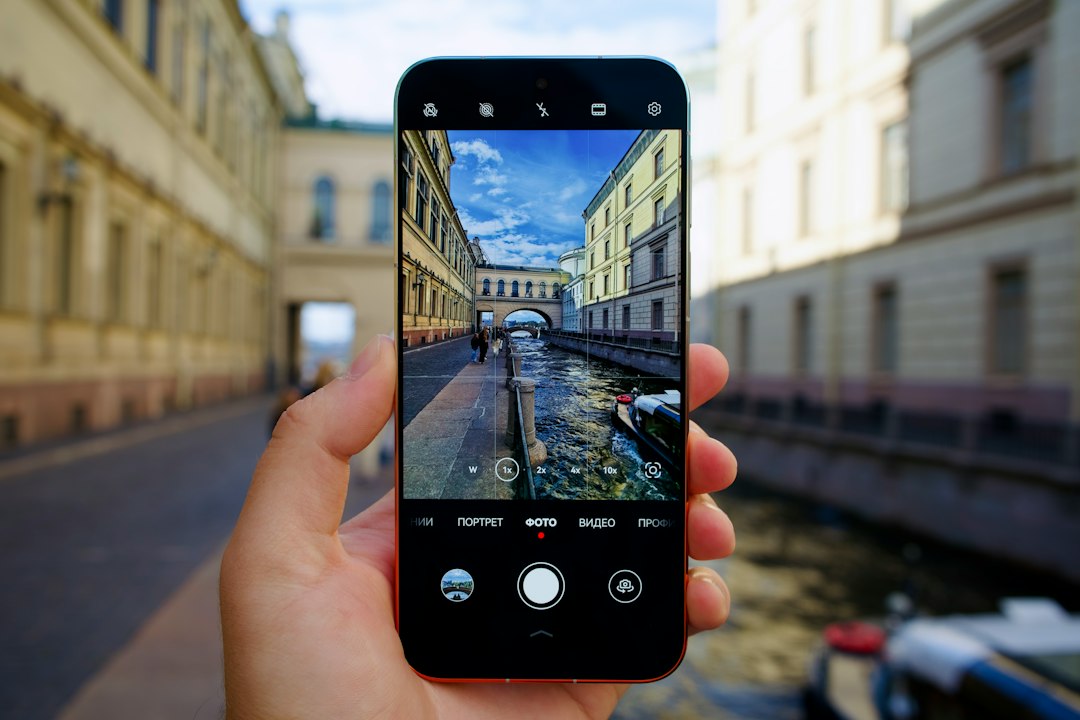
Check sensor size, aperture, optical stabilisation, telephoto and ultra-wide cameras, autofocus, video options and image processing. The OPPO Find X9 Ultra shows one premium approach: a 200MP main camera, a 200MP 3x telephoto and a 50MP 10x optical-zoom telephoto (OPPO), with the 10x unit using a quintuple-prism periscope design and roughly 230mm-equivalent focal length (OPPO newsroom).
- Everyday photos: a good main sensor, reliable autofocus and processing.
- Portraits: a dedicated telephoto gives better framing than cropping.
- Distant subjects: look for a real optical telephoto, not mainly digital zoom.
- Video: check stabilisation, frame rates and maximum resolution.
4. Battery capacity and charging
Battery sizes have grown in 2026. OnePlus lists 9,000mAh with 80W charging for the Nord 6, and iQOO lists 7,600mAh with 100W charging for the 15R. Capacity alone does not decide endurance: processor efficiency, display resolution and refresh rate, network, gaming, camera use and software tuning all matter, so treat capacity as one input, not a guaranteed number of hours.
5. Look at the display beyond refresh rate
Compare panel type, resolution, brightness, HDR support, colour coverage, PWM behaviour and touch sampling. Between two high refresh rates, such as the 144Hz iQOO 15R and the 165Hz Nord 6, display quality and efficiency usually matter more than the number itself.
6. Software support for long-term ownership
If you plan to keep a phone four or five years, check the OS-upgrade and security-update promises, the update start date and any regional feature limits. Samsung lists seven generations of OS upgrades and seven years of security updates for the Galaxy S26 series, and for the Galaxy S25 FE. A phone with slightly older hardware but a clearly documented long support period can be the better long-term buy.
7. Storage and connectivity
4K video, high-resolution photos, offline streaming and large games fill storage quickly. If you record a lot or keep big games installed, 256GB is far more flexible than 128GB. Many premium phones have no expandable storage. Also check the 5G bands your network uses, Wi-Fi and Bluetooth versions, NFC, USB standard, dual SIM or eSIM, IP water and dust rating, fingerprint sensor type, stereo speakers and wireless charging if you need them.
8. Do not rely on a single price
Indian prices move with sales, bank offers, exchange programmes, storage variants and new launches. Separate the launch price, the manufacturer’s current listed price and a seller’s retail price, and check the live price right before you buy.
What to prioritise for each need
| Priority | What to look for |
|---|---|
| Gaming | Strong processor, cooling, high refresh rate, large battery |
| Photography | Large sensors, OIS, a useful telephoto system |
| Video | Stabilisation, high-resolution recording, enough storage |
| Long-term ownership | Long update period, durable build |
| Battery life | Large battery, efficient processor, adaptive display |
| Everyday use | Balanced processor, display, camera and battery |
Final takeaway
The 2026 market lets Indian buyers choose by priority: performance phones like the iQOO 15R and OnePlus Nord 6 stress batteries, refresh rates and cooling, the OPPO Find X9 Ultra stresses camera optics, and Samsung’s Galaxy S26 series stresses long software support. Decide your budget and main use, then compare the specific models on the points above. For more, see our guides to Pixel 11 vs Pixel 10, budget phones, how much storage you need and refurbished vs new phones.
Sources
- iQOO India: iQOO 15R specifications
- OnePlus India: Nord 6
- Samsung Newsroom India: Galaxy S26 series
- Samsung India: Galaxy S25 FE
- OPPO India: Find X9 Ultra
- OPPO India newsroom: Find X9 Ultra launch