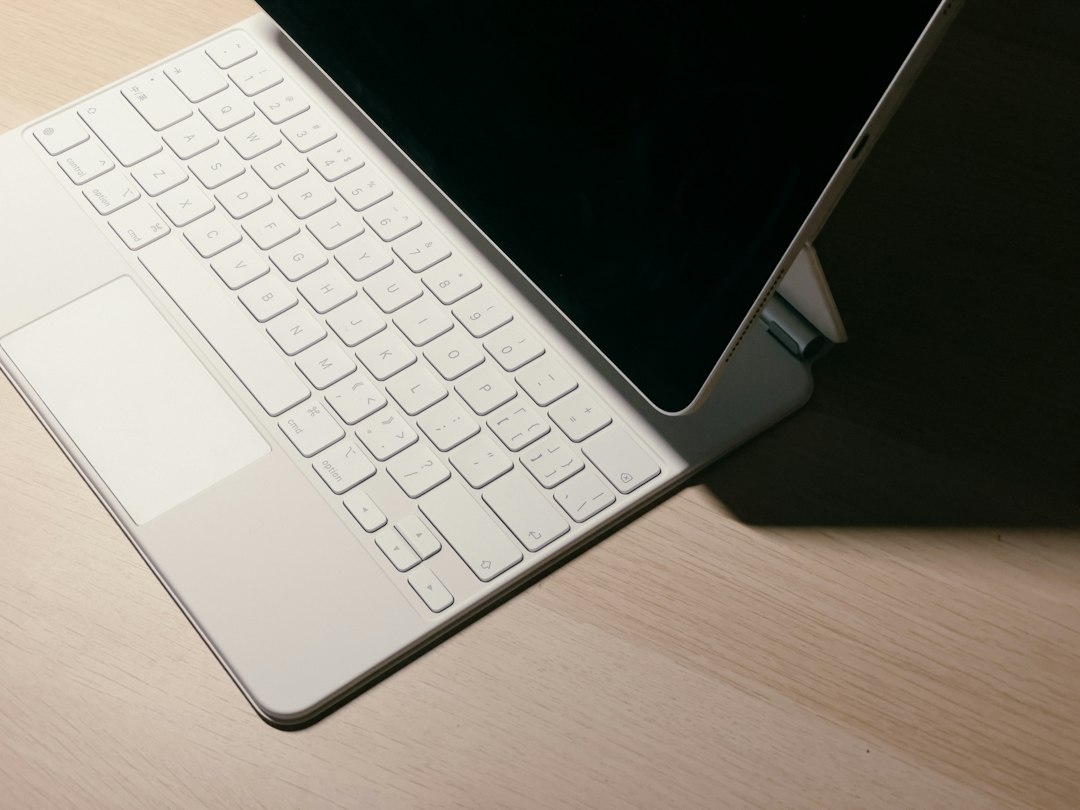
When Apple adjusted hardware price tags across global and regional markets, the tech community braced for fallout. Memory and storage costs rose due to a massive surge in demand for RAM and NAND flash. Consumer electronics quietly shifted into a more expensive tier. In India, overnight revisions pushed entry-level models and pro variants up by 25 to 40 percent [1]. Yet amidst these sweeping increases, a fundamental truth remains intact for everyday users. The entry-level, cheapest iPad still delivers a rational balance of utility, performance, and long-term value in the entire mobile computing ecosystem.
How the Cheapest iPad Navigates the Memory Cost Surge
The landscape of personal technology changed as data centers expanded rapidly [3]. This infrastructure boom created an unprecedented bottleneck in the global supply chain for memory chips. Manufacturers felt the pinch, forcing adjustments downstream. In India, official store prices for the lineup saw stark leaps [3]. The base iPad shifted from Rs 39,900 to Rs 49,900. Meanwhile, iPad Air and iPad Pro models climbed into steeper price brackets. Globally, early holiday sales in Western markets also reflected these elevated baselines. Retail discounts often hovered well above previous historical lows [4].
Tablets absorbed these component pressures directly [3]. This macroeconomic shift forced buyers to evaluate whether higher-tier features justify spending significantly more money. For most households, students, and casual professionals, paying extra for flagship processing power yields diminishing returns. This makes the base-tier model a standout choice for budget-conscious purchasers.
Cheapest Ipad: Comparing the Field: Apple Versus Android Alternatives
As list prices shift, the competitive dynamic between Apple and Android options requires a fresh look. Android OEMs have moved at different paces. Some brands implemented minor adjustments while others held steady [3], but price gaps widened. Samsung remains a primary competitor in the region. It offers choices like the Galaxy Tab S10 Lite and Galaxy Tab S10 FE, which sit below or near Apple’s revised baseline depending on the tier [3]. However, hardware specifications alone do not dictate user satisfaction.
| Device Category | Representative Model | Market Positioning |
|---|---|---|
| Entry-Level Apple | iPad (Base Tier) | Most accessible entry into iPadOS ecosystem |
| Mid-Tier Android | Galaxy Tab S10 FE | Value-focused alternative with bundled stylus support |
| Flagship Pro | iPad Pro / Tab S11 Ultra | Niche professional workflows and heavy multitasking |
Alternatives provide compelling hardware features, but the software ecosystem often tips the scale. iPadOS offers a mature library of touch-optimized applications. Many find it more refined for casual creation, media consumption, and general productivity.
Why Pro Features Remain Unnecessary for Most Buyers
Marketing campaigns naturally focus on flagship capabilities like ultra-thin chassis designs, OLED panels, and high-refresh-rate displays meant for professional video editors and digital artists. However, the average user spends most of their tablet time streaming video, browsing the web, reading documents, and handling email correspondence. For these tasks, the processing overhead of a Pro model sits idle.
Choosing the cheapest iPad means avoiding the trap of over-provisioning. High-end displays and desktop-class chips are impressive feats of engineering. Yet, they rarely alter the experience of watching a film or scrolling through social feeds. By sticking to the baseline model, buyers save substantial capital while retaining access to the core application ecosystem that makes the platform useful.
Practical Implications of Component Inflation for Buyers
When macroeconomic supply constraints hit the semiconductor industry, consumer electronics brands face difficult trade-offs. Brands must either absorb rising component costs and compress profit margins, or pass those expenses directly to the end user. Apple, alongside major Android vendors, chose the latter path [3]. For buyers, this reality transforms how we calculate the total cost of ownership.
A secondary consequence of higher base prices is the lengthening of upgrade cycles. When a device becomes significantly more expensive, consumers naturally hold onto it for an extra year or two. Consequently, choosing a device with robust software support becomes a critical financial hedge. Saving money upfront by buying an obscure, un-updated Android slate often backfires when software deprecation forces an early replacement.
Trade-Offs of the Base Tier Model
Opting for the entry-level device is not without compromises. Buyers must navigate specific hardware limitations designed to separate the base model from its more expensive siblings:
- Non-Laminated Displays: The glass panel on the entry-level model leaves a slight air gap between the outer screen and the LCD display, which can feel less direct when drawing with a stylus.
- Legacy Accessory Compatibility: Depending on the specific generation of the base model, users may find themselves dealing with adapter dongles or older charging mechanisms rather than magnetic wireless charging.
- Storage Limitations: Base models start with minimal storage configurations, forcing heavy media users to rely heavily on cloud storage solutions or pay disproportionate fees for local storage upgrades.
Despite these concessions, the core computing experience remains remarkably fluid. Day-to-day interactions feel responsive and polished across standard applications.
The Ecosystem Advantage and Long-Term Value
Beyond raw specifications, Apple’s hardware tends to retain resale value better than many competing lines. Software support spans many years. Even when upfront costs climb due to component shortages, the cheapest iPad usually outlives cheaper, off-brand alternatives that stop receiving security updates within a couple of cycles. This longevity amortizes the purchase price over a longer window, softening the blow of market-wide price inflation.
Furthermore, integration with other personal devices remains seamless for those already embedded in a specific digital environment. The ability to pull up notes, share clipboards, or take calls across screens adds daily convenience that spec sheets fail to quantify.
Decision Framework for Tablet Shoppers
Navigating current retail pricing requires clear criteria to avoid spending on unneeded extras. Consider the following breakdown before committing funds:
- Primary Use Case: If your routine involves typing documents, attending video calls, and streaming media, a base model satisfies every requirement.
- Software Preferences: Factor in whether your workflow relies on specific iOS-exclusive tools or if web-based apps suffice.
- Budget Reality: Remember that retail discounts on current-generation hardware often mask underlying list price increases. Compare against original launch tags where possible [4].
- Accessory Costs: Remember to budget separately for keyboards and styluses if your tasks require physical typing or handwriting.
Frequently Asked Questions
Why are tablet and smartphone prices increasing globally?
Global component prices rose sharply due to intense demand for memory chips, specifically RAM and NAND flash. This demand was driven by expanding artificial intelligence data center infrastructure [3]. This created a bottleneck in silicon manufacturing, raising production costs across consumer devices.
Is the cheapest iPad powerful enough for schoolwork and digital textbooks?
Yes. The processor in the entry-level iPad easily handles multi-window text editing, PDF annotation, video conferencing apps, and educational software without stuttering.
How many years of software updates can I expect from a base iPad?
Apple typically supports base iPad models with major operating system updates and security patches for several years from their initial release date, significantly outlasting most budget Android alternatives.
What to Watch Next in the Tablet Market
The broader technology sector remains sensitive to component supply fluctuations. As long as AI data center expansion continues to strain memory and semiconductor fabrication lines [3], downward price corrections on newly released hardware are unlikely in the near term. Buyers should monitor inventory levels across authorized channels and look for seasonal promotions that clear older stock rather than expecting steep discounts on current-year flagships [4]. For those who need a reliable screen for daily tasks, waiting out the hardware crunch offers little advantage, making the most affordable entry point the smartest place to transact today.
Related FutureGearAI articles
Continue with these related articles for additional context: Projector Buying Guide in India 2026: LED vs LCD vs Laser, Brightness and Resolution · Smartphone Accessories in India: Which Upgrades Are Actually Useful
Sources & further reading
- Apple sharply hikes prices of Macs, iPad, Apple TV, HomePod in India, iPhones spared for now — moneycontrol.com
- iPad prices are up 25–40%. Are Android tablets next? | 91mobiles.com — 91mobiles
- Black Friday Tablet Deals 2026: Most iPad Discounts Still Sit Above Launch Price – Memeburn — Memeburn