Google Pixel 10a: What You Need to Know
The Google Pixel 10a sits in the mid-range smartphone segment while focusing heavily on Google’s software experience, display quality and long-term software support.
According to the sources used for this article, the Pixel 10a launched in India at ₹49,999. Its approach is different from phones that compete primarily through the newest processor or premium materials.
Instead, the Pixel 10a combines Google’s software features with a high-refresh-rate display, IP68 protection and a long software-support commitment.
However, there are also hardware compromises to consider, particularly for buyers who want maximum gaming performance or premium materials.
Pixel 10a Price and Positioning
The Pixel 10a was positioned as a mid-range device, with an India starting price of ₹49,999 according to the source material used for this article.
At this price level, buyers have to look beyond the specification sheet.
The main questions are:
- Is the display quality important to you?
- Do you value Google’s software experience?
- Do you plan to keep the phone for several years?
- Do you need high sustained gaming performance?
- Do you prefer a glass-backed premium design?
The answers can make a bigger difference than the phone’s headline specifications.
Design and Build
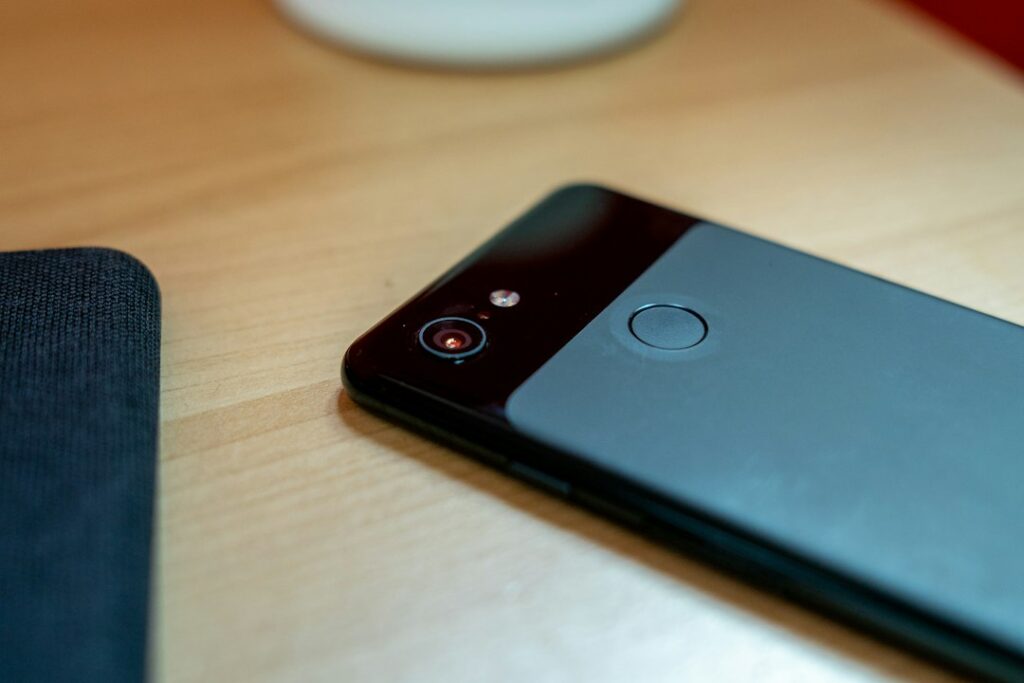
One of the notable design choices is the use of a polycarbonate back rather than glass.
This gives the phone a different feel from some competing devices in the same price range.
The design also uses a relatively flat rear camera area, which can make the phone feel less bulky when placed in a pocket.
The Pixel 10a is listed with an IP68 rating, providing protection against dust and water exposure under the conditions covered by that rating.
The available colours mentioned in the source material include:
- Obsidian
- Fog
- Berry
- Lavender
For buyers who prefer a premium glass construction, the polycarbonate back may be a consideration. For others, the material choice may be less important than durability and everyday usability.
Display: One of the Pixel 10a’s Key Features
The Pixel 10a uses a 6.3-inch FHD+ P-OLED display with a refresh rate of up to 120Hz.
The higher refresh rate can make supported animations, scrolling and interface movement appear smoother than on a conventional 60Hz display.
The source material also reports strong display measurements from Calman testing, including:
- Average DeltaE of 1.9
- 98.2% DCI-P3 coverage in Natural colour mode
- Reported peak brightness of 2,850 nits
- Reported SDR brightness of 1,360 nits
These measurements are useful for readers who care about colour accuracy and outdoor visibility.
However, the article’s source also notes that the phone has noticeable bezels. This means the display experience involves a combination of strong panel characteristics and a design that may look less edge-to-edge than some competing phones.
Performance and Tensor G4
The Pixel 10a uses Google’s Tensor G4 processor.
One important point from the source material is that the Tensor G4 is also associated with the previous generation, rather than representing a completely new processor generation for this device.
The reported benchmark results are:
| Test | Reported result |
|---|---|
| AnTuTu | 1,151,947 |
| Geekbench 6 single-core | 1,640 |
| Geekbench 6 multi-core | 3,674 |
| 3DMark Wildlife Extreme | 2,622 |
| CPU throttling test | 58% |
These numbers should be treated as benchmark results from the cited review rather than a guarantee of performance for every user.
For everyday activities such as browsing, messaging, social media and normal applications, benchmark numbers are only part of the experience.
The more important consideration is sustained performance.
Users who regularly perform demanding gaming or other intensive workloads should pay particular attention to thermal behaviour and sustained performance rather than looking only at short benchmark results.
Gaming and Heavy Workloads
The Pixel 10a’s hardware approach may not be aimed primarily at users who want maximum sustained performance.
The cited testing reported CPU throttling during a sustained workload.
That does not mean the phone cannot run demanding applications. Instead, it highlights a difference between everyday smartphone use and prolonged heavy workloads.
If your typical usage includes:
- Casual gaming
- Social media
- Streaming
- Web browsing
- Photography
- Messaging
the processor’s benchmark position may be less important.
If you regularly play demanding games for extended periods or perform intensive workloads, sustained performance should receive more attention when comparing the Pixel 10a with alternatives.
Software Support and Long-Term Use
Long-term software support is one of the strongest points highlighted in the source material.
Google’s Pixel strategy includes an extended software-support commitment, with the cited material referring to seven years of updates.
For someone planning to keep a phone for several years, this can be an important consideration.
Long-term support can potentially reduce the need to replace a phone simply because it has reached the end of its software-support period.
However, software longevity does not remove the importance of hardware requirements.
A buyer should still consider whether the phone’s performance, battery and physical design will remain suitable for their needs over the intended ownership period.
What the Pixel 10a Does Well
Based on the specifications and source material used for this article, several areas stand out.
Display
The 6.3-inch 120Hz P-OLED panel and reported colour measurements make the display an important part of the Pixel 10a’s package.
Software longevity
The seven-year update commitment can be relevant to buyers who intend to keep their phone for a long time.
Durability
The IP68 rating provides an additional layer of protection for everyday use.
Pixel software experience
Google’s approach puts considerable emphasis on software integration rather than competing only through hardware specifications.
Where Buyers Should Think Carefully
The Pixel 10a also has some compromises.
Polycarbonate construction
Some buyers at this price may prefer a glass-backed design.
Sustained performance
The cited CPU throttling results are worth considering for users who regularly perform demanding workloads.
Bezels
The display itself offers strong specifications, but noticeable bezels may make the design feel less modern compared with some competitors.
Processor generation
The use of Tensor G4 means buyers should consider the phone’s overall performance rather than assuming that a newer model automatically means a newer processor generation.
Who Should Consider the Pixel 10a?
The Pixel 10a makes the most sense for buyers who place importance on:
- Google’s software experience
- A high-refresh-rate display
- Long software support
- IP68 protection
- Everyday smartphone performance
- A long ownership period
It requires more consideration if your priorities are:
- Maximum gaming performance
- Sustained heavy workloads
- A premium glass construction
- The newest possible processor hardware
Pixel 10a Buyer Checklist
Before purchasing, consider these questions:
1. How long do you plan to keep the phone?
If several years, the software-support commitment becomes more relevant.
2. Do you play demanding games?
If yes, look beyond peak benchmark numbers and consider sustained performance.
3. Do you care about display quality?
The 120Hz P-OLED display is one of the phone’s notable features.
4. Do you prefer glass or polycarbonate?
The Pixel 10a uses a polycarbonate rear panel.
5. Is water resistance important?
The phone is listed with IP68 protection.
6. Are you buying mainly for everyday use?
For browsing, messaging, streaming and normal applications, the overall software experience may matter more than benchmark scores.
Final Takeaway
The Google Pixel 10a takes a different approach to the mid-range smartphone market.
Rather than focusing entirely on raw specifications, it combines Google’s software experience with a 120Hz P-OLED display, IP68 protection and an extended software-support commitment.
At the same time, the use of Tensor G4 and the reported sustained-performance limitations are factors that demanding users should consider.
For buyers who value software longevity, display quality and everyday usability, these characteristics may be more important than having the highest benchmark score.
For heavy gamers and users who regularly perform demanding workloads, sustained performance should be a major part of the comparison before purchasing.
Ultimately, the Pixel 10a should be evaluated as a complete package rather than on a single specification.
Sources & Further Reading
- India TV — Google confirms Pixel phone price hike, says rising RAM costs will impact entire lineup
- Digit — Google Pixel 10a review: Seven years of reasons to buy this phone
- Moneycontrol — Google Pixel 10a launching soon in India: Check out the complete specs