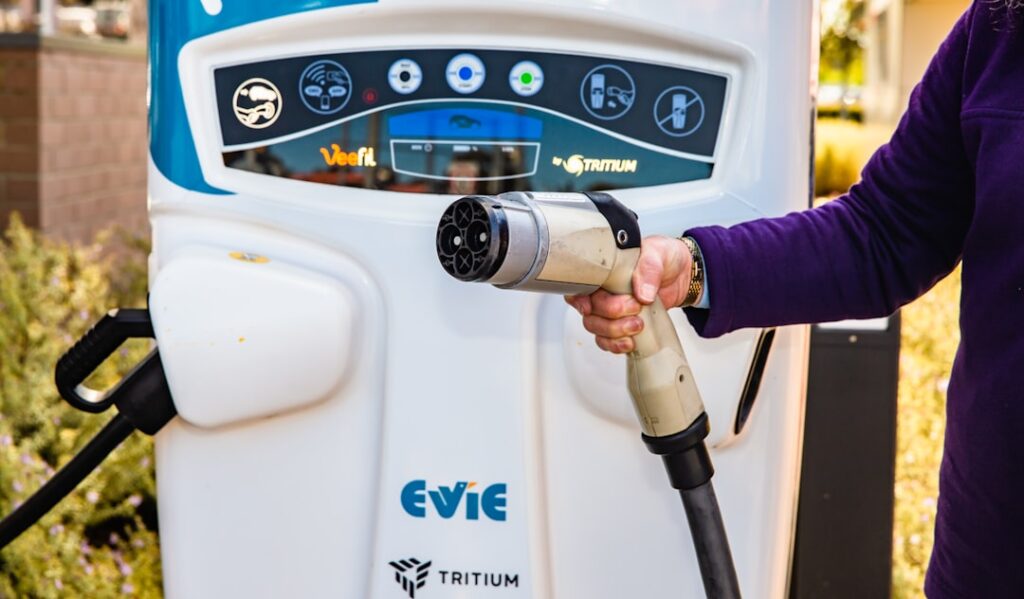
Hybrid vs electric cars in India 2026 is not a simple choice between two technologies. Strong hybrids and battery-electric vehicles can both reduce fuel use, but they fit different ownership patterns. The practical choice depends on charging access, daily distance, long-distance travel, purchase price, running costs and how long you expect to keep the car.
India’s EV ecosystem is also changing. The PM E-DRIVE programme includes support for charging infrastructure and multiple EV categories, while government data shows continued expansion of the country’s charging ecosystem. That makes charging access an increasingly important part of an EV buying decision.
Hybrid vs Electric Cars in India: How the Two Powertrains Work
A strong hybrid combines a petrol engine, electric motor and traction battery. The battery is charged through the vehicle’s hybrid system, including regenerative braking, so the car does not need to be plugged in.
A battery-electric vehicle uses an electric motor and a much larger traction battery. It must be charged externally, usually at home, work or a public charging station.
Charging and Refuelling
This is usually the biggest day-to-day difference.
| Factor | Strong hybrid | EV |
|---|---|---|
| External charging | Not required | Required |
| Refuelling | Petrol station | Electric charger |
| Home infrastructure | Not necessary | Very useful for convenient ownership |
| Long trips | Conventional refuelling | Requires route and charger planning |
An EV is easier to live with when you have a dependable parking space with charging access. A hybrid avoids that requirement and can be useful for households that regularly travel to places where charging availability is uncertain.
Running Costs
EV energy costs can be lower when charging at home, but the actual saving depends on your electricity tariff, vehicle efficiency and charging losses. Public fast charging can cost more than home charging.
A strong hybrid still uses petrol, although its fuel consumption can be lower than a comparable conventional petrol vehicle, particularly in stop-and-go traffic.
For a real comparison, calculate:
Annual energy cost = annual kilometres ÷ real-world efficiency × local fuel or electricity price.
Use the specific vehicles you are considering rather than a generic mileage figure.
Purchase Price and Ownership Cost
The purchase price should be considered together with financing, insurance, servicing, energy costs and the expected ownership period. An EV with a higher upfront price can have lower energy costs, while a hybrid may cost more than a conventional petrol version but avoid the need for charging infrastructure.
Government taxes, incentives and registration rules can vary by state and can change over time, so they should be checked for the specific vehicle and location before buying.
Maintenance
Both powertrains still require tyres, brakes, suspension and other vehicle maintenance. A hybrid retains an internal-combustion engine and therefore has engine-related service requirements.
An EV has fewer conventional powertrain components, but it still has a high-voltage battery, thermal-management systems, electronics and software that require manufacturer-supported service.
City Driving
Frequent stop-and-go driving can suit both technologies. Hybrids can use electric assistance and regenerative braking to reduce petrol consumption. EVs provide direct electric drive and can be particularly convenient when daily charging is available at home.
Highway and Long-Distance Driving
For frequent long trips, compare the routes you actually use. A hybrid can be refuelled through the conventional petrol network. An EV requires enough range for the route and dependable compatible chargers at suitable stops.
Charging speed is only one part of the calculation. Charger reliability, location, payment method, waiting time and the number of usable connectors can matter just as much.
Battery Life and Warranty
Do not compare EV and hybrid batteries only by capacity. Check the manufacturer’s battery warranty, coverage conditions, service network and any stated capacity-retention terms for the specific model.
Which One Fits Your Situation?
- Choose a hybrid for consideration if you want better fuel efficiency without changing your refuelling routine.
- Consider an EV if you have reliable charging access and most of your driving is predictable.
- Compare both carefully if you drive high annual kilometres, because the difference in purchase price and energy cost can materially affect total ownership cost.
Questions to Ask Before Buying
- How many kilometres do I actually drive each year?
- Can I install and regularly use an EV charger where I park?
- How often do I take long-distance trips?
- What is the current on-road price of the exact models?
- What are the manufacturer’s battery and vehicle warranty terms?
- What charging or fuel infrastructure exists on my regular routes?
- How long do I plan to keep the car?
Hybrid vs Electric Cars: A Simple Ownership Decision
For a more realistic buying decision, compare the two technologies using your own driving pattern rather than relying only on advertised efficiency or range.
| Ownership factor | Strong hybrid | EV |
|---|---|---|
| Best suited to | Mixed city and highway use without charging dependence | Regular driving with reliable charging access |
| Energy source | Petrol plus electric assistance | Electricity |
| Charging at home | Not needed | Usually the most convenient option |
| Long-trip flexibility | High because petrol stations are widely available | Depends on route, range and charger availability |
| Local emissions while driving | Lower than a conventional petrol car but still uses an engine | No tailpipe emissions while driving |
| Key ownership risk to check | Petrol consumption and hybrid-system warranty | Charging access, battery warranty and charging reliability |
How to Calculate Your Real Cost
Start with your annual kilometres. Then estimate the energy cost using the efficiency you can realistically expect in your normal driving conditions. Add insurance, scheduled servicing, tyres, financing and any home-charger installation costs.
For example, an EV may have a lower energy cost when most charging happens at home, while a hybrid may be easier to justify if you cannot reliably charge where you park. The right answer can therefore change even between two buyers considering the same models.
Frequently Asked Questions
Is a hybrid better than an EV for city driving?
Not automatically. Both can work well in cities. An EV can be particularly convenient when home charging is available, while a strong hybrid offers electric assistance without requiring an external charger.
Is an EV cheaper to maintain than a hybrid?
An EV generally has fewer conventional drivetrain components, but maintenance is not zero. Compare the manufacturer’s service schedule, battery warranty, thermal-management requirements and service-network coverage before buying.
Which is better for frequent highway trips?
A hybrid can be simpler for frequent long trips because petrol refuelling is quick and widely available. An EV can also work well when your regular routes have dependable compatible fast chargers and you are comfortable planning charging stops.
Should I buy an EV if I cannot charge at home?
It can still work, but public-charging dependence should be treated as a major ownership factor. Check charger availability near home, work and regular destinations before committing.
Related FutureGearAI Guides
- India’s EV Market in 2026: Adoption, Charging and the Road Ahead
- Petrol vs Diesel vs CNG vs Hybrid vs EV
- Upcoming Cars in India 2026
Bottom Line
Hybrid and electric cars solve different ownership problems. A hybrid combines electric assistance with conventional petrol refuelling, while an EV replaces the engine and fuel tank with an electric drivetrain and external charging.
Instead of treating either technology as universally better, compare the specific cars using your annual mileage, charging access, long-distance travel, purchase price and expected ownership period.