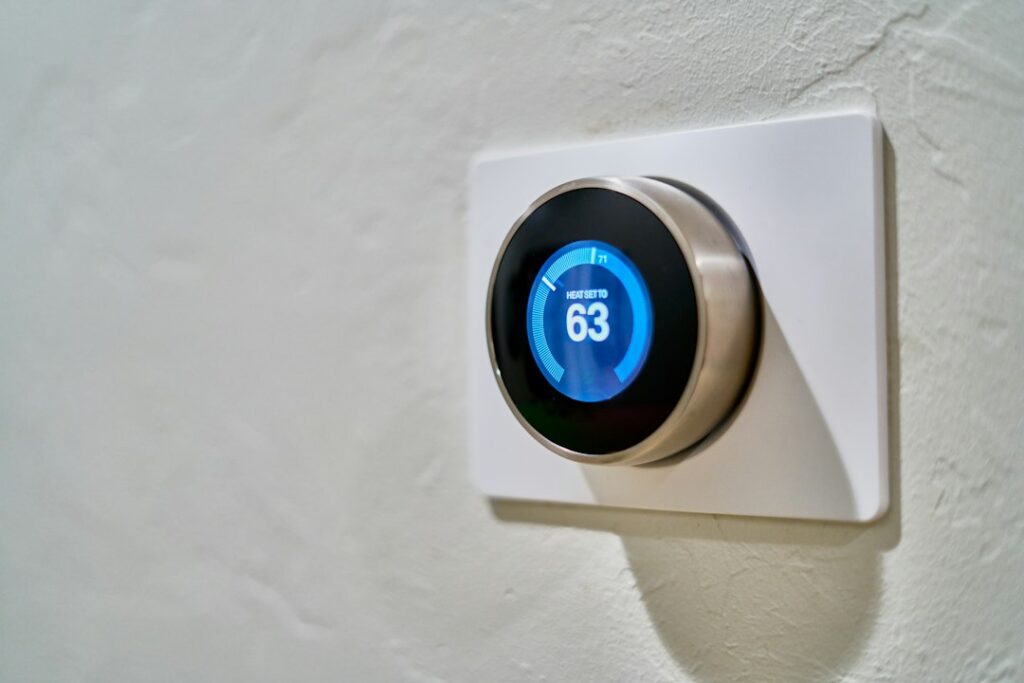
Smart home devices can make it easier to see and manage electricity use, but a connected gadget does not automatically reduce a bill. Savings depend on the appliance, usage pattern, tariff, device cost and whether automation changes real behaviour. Start by identifying where energy is being wasted.
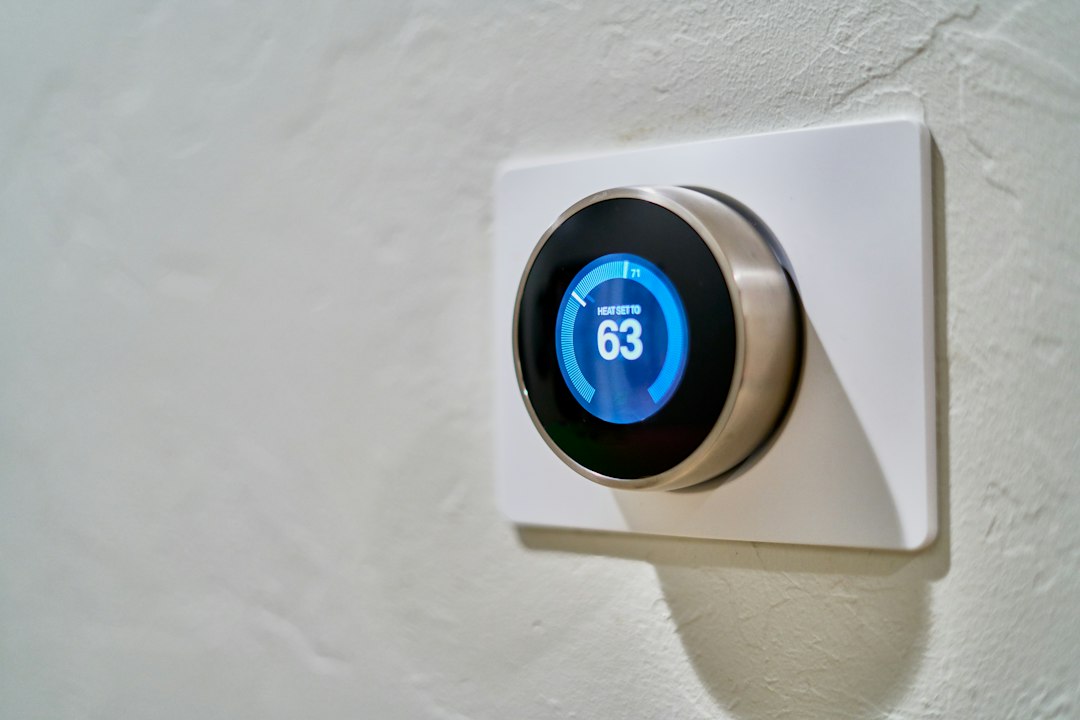
Smart plugs: check the rating and the actual use case
Use a smart plug only when it addresses a measured standby or scheduling problem, and check its electrical rating and the manufacturer’s guidance before connecting an appliance.
Quick check: energy monitors
Choose a meter suited to the appliance and measure over a representative period; the detailed guide below explains safe measurement and how to interpret the results.
Cooling and air-conditioning habits
Start with room-use patterns and basic maintenance; consider smart controls only when they prevent avoidable runtime in empty rooms.
Quick compatibility checklist
Confirm electrical rating, network compatibility, support period and privacy requirements; detailed checks appear below.
Calculate payback honestly
Use measured savings and your actual electricity tariff to estimate payback; the detailed calculation and example appear later in this guide.
Start with simple changes
Track consumption for a billing cycle and test low-cost changes where safe before purchasing connected hardware.
Bottom line
The detailed recommendations and one-month plan below bring the main checks together.
Related reading
When deciding whether to buy connected devices, use our technology upgrade buying guide to compare costs, features and practical value.
Start with your electricity bill, not a gadget list
Before buying a connected plug or energy monitor, review a few recent electricity bills and note the units consumed, billing period and applicable tariff. Compare similar months where possible, because weather, visitors and seasonal appliance use can change demand. A device can only help if it reveals a source of waste or changes a routine in a way that reduces consumption.
Make a short inventory of high-use equipment: air conditioners, refrigerators, water heaters, pumps, washing machines, computers and other appliances used for long periods. Check nameplates and manuals for power ratings, but remember that a rated maximum is not the same as average real-world consumption. If you want to measure actual use, select a suitable meter designed for the appliance and installation.
Smart plugs: good for the right low-power load
Smart plugs can schedule lamps, chargers or selected small appliances and may report estimated energy use when monitoring is included. They can also make it easier to switch off standby devices, but the benefit depends on how much power the device actually uses when idle. Scheduling a lamp that is already switched off most of the time will not produce meaningful savings.
Check the plug’s rated current, voltage, supported load type and safety certifications. Do not connect high-power appliances such as heaters, irons, geysers or air conditioners unless the manufacturer explicitly rates the device for that load and installation. Never use a smart plug to bypass a proper electrical switch, earthing or circuit protection. If you are unsure, ask a qualified electrician.
Energy monitors: identify the biggest consumers
A plug-in meter can help measure a compatible appliance over several hours or days. Whole-home monitors can provide a broader view, but models that connect inside an electrical distribution board require particular care and often professional installation. Never open a live electrical panel or work on mains wiring yourself. Use equipment appropriate for the local electrical system and follow the manufacturer’s instructions.
Record a baseline before making changes. Measure the same appliance under comparable conditions, then repeat after changing its schedule or settings. Treat low-cost app estimates as useful indicators rather than billing-grade measurements unless the product explicitly supports that purpose. Compare the pattern with your electricity bill to see whether the change is large enough to matter.
Cooling, fans and air conditioners
In many Indian homes, cooling demand rises during hot weather. Clean filters at the interval recommended by the manufacturer, keep doors and windows closed while air conditioning is running, shade sun-exposed windows where practical and set a comfortable temperature instead of an unnecessarily low one. Ceiling fans can improve comfort by moving air, but switch them off in empty rooms when appropriate.
Smart controls can help if they prevent an air conditioner from running in an empty room or make a consistent schedule easier to follow. They will not automatically make an inefficient appliance efficient. Check whether your AC supports the controller you are considering and whether the system can safely handle the appliance’s electrical requirements. Avoid DIY wiring or devices that claim universal compatibility without clear specifications.
Lighting and standby power
Replace failed or frequently used inefficient lights with suitable efficient alternatives when practical, and switch off lights in unoccupied rooms. Smart bulbs may be useful for scheduling or dimming, but the extra cost is not always justified for a light that is rarely used. Some smart bulbs need constant power to remain connected, so check their standby consumption and whether a conventional switch will interrupt their smart functions.
Standby consumption varies by device. Instead of assuming every plugged-in product wastes a large amount, measure likely candidates and focus on equipment that remains on for long periods. Do not switch off equipment if doing so disrupts safety, refrigeration, essential network services or manufacturer-recommended operation.
Calculate payback before buying
Estimate savings using the difference in energy use before and after the change. Multiply the units saved by the relevant per-unit cost on your bill, then compare the result with the total purchase and installation cost. Tariffs can include slabs, fixed charges and other components, so a simple calculation is only an estimate. If a gadget saves a small amount each month, its payback may take years.
For example, if a device costs ₹1,500 and the measured change saves ₹100 per month, the simple payback is 15 months, assuming the savings continue and ignoring other costs. If the savings are only ₹25 per month, the same device takes 60 months to pay back. These are illustrations, not a promise of actual savings. Measure your own use and use your actual tariff for a better estimate.
Privacy and compatibility checks
Check whether a device needs a 2.4 GHz Wi-Fi network, a hub, a particular app or a paid subscription. Confirm it works with your phone and preferred smart-home platform. Consider what happens if the internet connection is down or the vendor’s cloud service is unavailable; basic controls should remain safe and understandable.
Connected devices may collect usage patterns, occupancy data, voice recordings or video depending on their features. Review the privacy settings, account security and support period. Change default passwords, enable multi-factor authentication where available and keep firmware updated. Prefer products with clear warranty terms and a realistic path to software support.
Frequently asked questions
Do smart plugs always reduce electricity bills?
No. They can automate useful schedules or measure certain loads, but savings depend on the appliance and whether your behaviour changes. The plug itself also consumes a small amount of power.
Can I use any smart plug with an air conditioner or heater?
No. High-power appliances require equipment explicitly rated for the load and the relevant electrical conditions. Check manufacturer guidance and consult a qualified electrician if uncertain.
Is an energy monitor worth buying?
It may be useful if you want to identify large loads or verify whether a change helps. First decide what question you want answered, then choose a monitor that measures that load safely and accurately enough for your purpose.
What is the cheapest first step?
Review the bill, adjust schedules, switch off unnecessary lighting and standby loads where safe, clean appliance filters as recommended and measure before purchasing extra hardware.
A practical one-month plan
During week one, record the bill and list the appliances you suspect use the most energy. During week two, choose one safe, low-cost change and record the result. During week three, test a smart control only if you have identified a real scheduling problem. During week four, compare the results and keep the changes that help. This approach makes it easier to separate measurable improvement from marketing claims.
Bottom line
Smart home energy-saving gadgets are tools, not guarantees. The strongest plan starts with understanding consumption, choosing safe compatible equipment, testing one change at a time and checking the bill over a comparable period. Buy a connected device only when it solves a clear problem and the likely benefit justifies its cost.