Emerging tech gadgets in 2026 are becoming less about isolated futuristic devices and more about adding AI, sensors and smarter interfaces to products people already use. For Indian buyers, the most important factors are practical usefulness, official availability, after-sales support and total ownership cost. Smart glasses, smart rings, AI PCs, foldables, spatial-computing devices, home robots and connected-home products are among the categories attracting attention.
The important question for buyers is not simply which gadget looks most futuristic. It is whether the technology solves a real problem, works reliably in India, fits an existing ecosystem and remains useful after the novelty wears off.
1. AI Smart Glasses

AI smart glasses are one of the most visible emerging gadget categories in 2026. Instead of relying entirely on a phone screen, glasses can combine cameras, microphones, speakers and AI assistants for hands-free interaction.
Possible uses include asking questions, taking photos, translating information, navigation assistance, listening to messages and getting contextual help. India’s wearable market is also shifting toward higher-value products, with smart glasses identified as one of the emerging growth areas in 2026.
Before buying, check whether the glasses have a camera, speakers only or an actual display. Also verify language support, smartphone compatibility, battery life, privacy controls and whether the AI features work in India.
2. Smart Rings and Health Wearables
Smart rings are another emerging category. Unlike smartwatches, they focus on a smaller, screen-free form factor for tracking metrics such as sleep, activity and recovery. For buyers in India, availability, app support and replacement or subscription costs can be just as important as the sensors themselves.
Oura expanded into India with the Ring 4 in 2026, while Indian brands such as Ultrahuman have helped establish the category locally. The market is still relatively niche, so buyers should consider subscription fees, app quality, sensor capabilities and long-term support before purchasing.
3. AI PCs and Local AI Hardware

AI PCs are moving AI processing closer to the device through dedicated neural-processing hardware and increasingly powerful GPUs. This can help with features such as image generation, transcription, video effects, productivity tools and some AI workloads without sending every task to a remote server.
The emerging trend is particularly important because local processing can improve responsiveness and potentially reduce dependence on cloud services for supported workloads. However, buyers should look beyond the “AI PC” label and check the actual NPU performance, RAM, GPU, software compatibility and applications they intend to use.
4. Foldable Phones and Flexible Devices
Foldable phones continue to combine a compact folded form with a larger screen when opened. The main advantages are multitasking, reading, gaming and productivity in a smaller footprint.
However, foldables still require buyers to consider hinge durability, display repair costs, thickness, weight, battery capacity and software support. A conventional flagship smartphone can remain the better value choice if a larger internal display is not important.
5. Spatial Computing and XR
Spatial computing combines cameras, sensors, computer vision, displays and software to understand physical space and place digital experiences within it. XR headsets and smart glasses are the most visible examples.
The technology has potential in gaming, training, education, design, industrial work and immersive entertainment. But headsets can be expensive and bulky, so consumers should distinguish between products designed for serious spatial-computing workloads and simpler smart glasses designed mainly for audio and AI assistance.
6. Home Robots and Physical AI
Robotics is another important emerging technology. AI is increasingly being combined with sensors, computer vision and autonomous movement, allowing robots to perform useful physical tasks.
Consumer robots are currently more practical in focused categories such as floor cleaning, lawn care and security. The larger long-term trend is “physical AI”: systems that can perceive their surroundings and act in the real world rather than only responding through a screen.
7. Smarter Smart-Home Devices
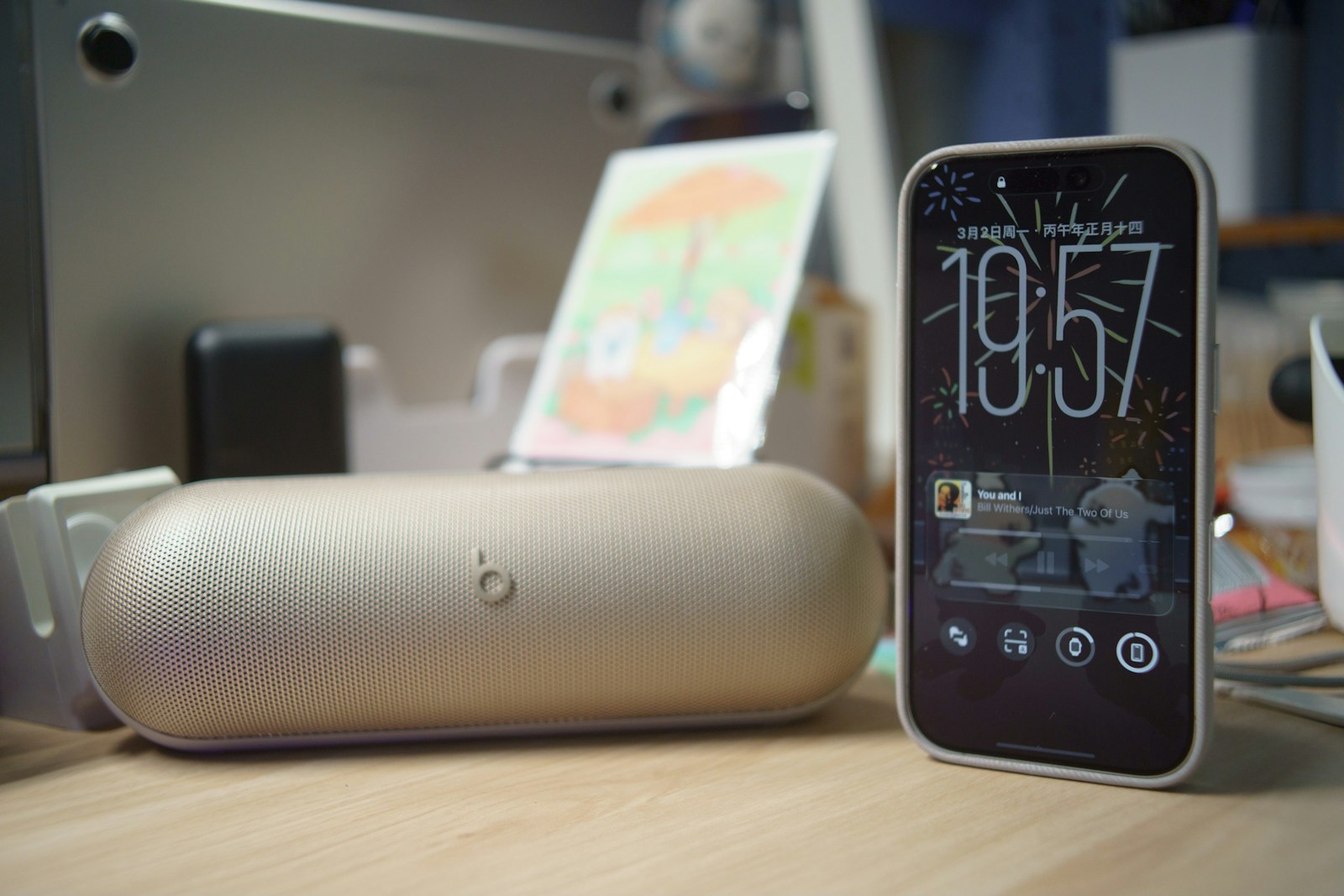
Smart-home products are becoming more useful as interoperability improves. Standards such as Matter are designed to make compatible devices work more consistently across supported ecosystems.
Useful categories include smart lighting, security cameras, sensors, locks, plugs and appliances. Before buying, check which Matter features are supported, which platform you use and whether the product still works if a cloud service changes.
8. GaN Chargers and Compact Power Accessories
Charging technology may sound less futuristic, but compact gallium-nitride (GaN) chargers are among the most practical gadget upgrades. They can deliver high power from smaller adapters, making them useful for phones, tablets and compatible laptops.
Look for USB-C Power Delivery support, sufficient wattage, the number of ports and the charger’s combined-output limits. A 65W or 100W label alone does not guarantee that several connected devices will receive that power simultaneously.
9. AI Earbuds and Smart Audio
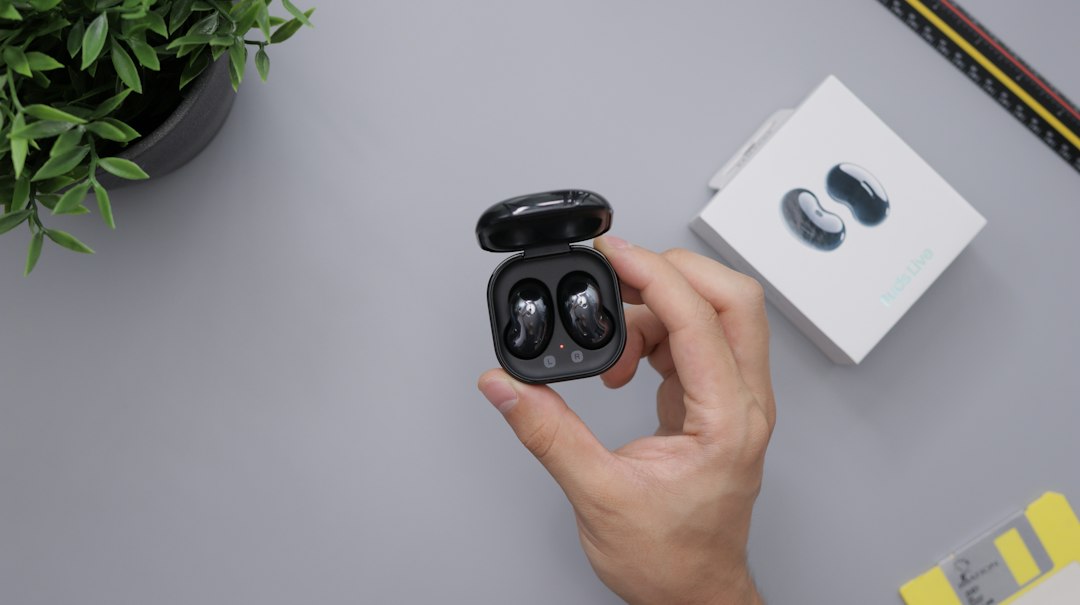
Wireless earbuds are evolving beyond music and calls. AI-enabled audio devices can add voice assistants, translation, transcription, noise management and context-aware features.
The important distinction is whether an AI feature runs locally, through the connected phone or through a cloud service. Battery life, microphone quality, comfort, codec support and subscription requirements can matter more than the AI branding.
10. What Is Actually Worth Buying in 2026?
| Gadget category | Potential value | Best for | Main concern |
|---|---|---|---|
| AI smart glasses | High | Hands-free AI, calls, audio | Privacy and battery |
| Smart rings | Medium | Sleep and activity tracking | Subscription/ecosystem |
| AI PCs | High | Work and local AI | Real-world software support |
| Foldables | Medium-High | Multitasking and large displays | Price and durability |
| XR devices | Medium | Immersive computing | Cost and comfort |
| Home robots | Medium | Automation | Capability and reliability |
| GaN chargers | High | Everyday charging | Power sharing |
Privacy Is Becoming More Important
Many emerging gadgets have cameras, microphones, health sensors, location services or cloud-connected accounts. AI wearables deserve particular attention because they can collect information from the user’s surroundings as well as from the user.
Before buying, review what data the device collects, where it is processed, how long it is retained, whether recordings can be deleted and how security updates are delivered. Convenience should not come at the cost of unnecessary data collection.
How to Choose an Emerging Gadget
- Start with the problem: Decide what task the gadget should improve.
- Check India availability: Confirm official sales, warranty and service support.
- Check ecosystem compatibility: Make sure it works with your phone, PC or smart-home platform.
- Calculate the total cost: Include subscriptions, accessories and replacement costs.
- Check privacy: Understand camera, microphone, health and cloud-data practices.
- Look at long-term support: A gadget is a poor investment if software support ends quickly.
Emerging Tech Gadgets: What Comes Next?
The bigger trend for 2026 is the convergence of AI with physical hardware. AI is moving from standalone apps into glasses, computers, earbuds, rings, robots and home devices. This shift could make technology more ambient and useful, but it also creates new questions around privacy, reliability and ownership of personal data.
India is also investing in areas such as AI, semiconductors, quantum technology, robotics and cybersecurity, which could strengthen the local ecosystem for emerging technology over time.
Frequently Asked Questions
What is the most promising emerging gadget in 2026?
AI smart glasses are among the most interesting emerging consumer categories because they combine cameras, audio and AI in a hands-free form factor. Their usefulness still depends on privacy, battery life, software and regional availability.
Are smart rings worth buying?
They can be worthwhile for users who value discreet sleep, activity and recovery tracking. Check whether the device requires a subscription and whether its measurements are useful for your specific needs.
Are AI PCs worth buying in 2026?
For a new laptop purchase, an AI PC can be a sensible choice, especially if you use software that benefits from an NPU or local AI processing. Do not buy solely because a laptop carries an AI branding label.
Are foldable phones reliable?
Modern foldables are more mature than early generations, but buyers should still consider hinge durability, inner-display repair costs, warranty coverage and long-term software support.
Bottom Line
The best emerging tech gadgets in 2026 are not necessarily the most experimental ones. AI glasses, AI PCs, smart rings, useful home automation and compact charging technology can provide real benefits when they solve a genuine problem. For Indian buyers, official availability, after-sales support, privacy, ecosystem compatibility and total ownership cost should matter just as much as headline features.