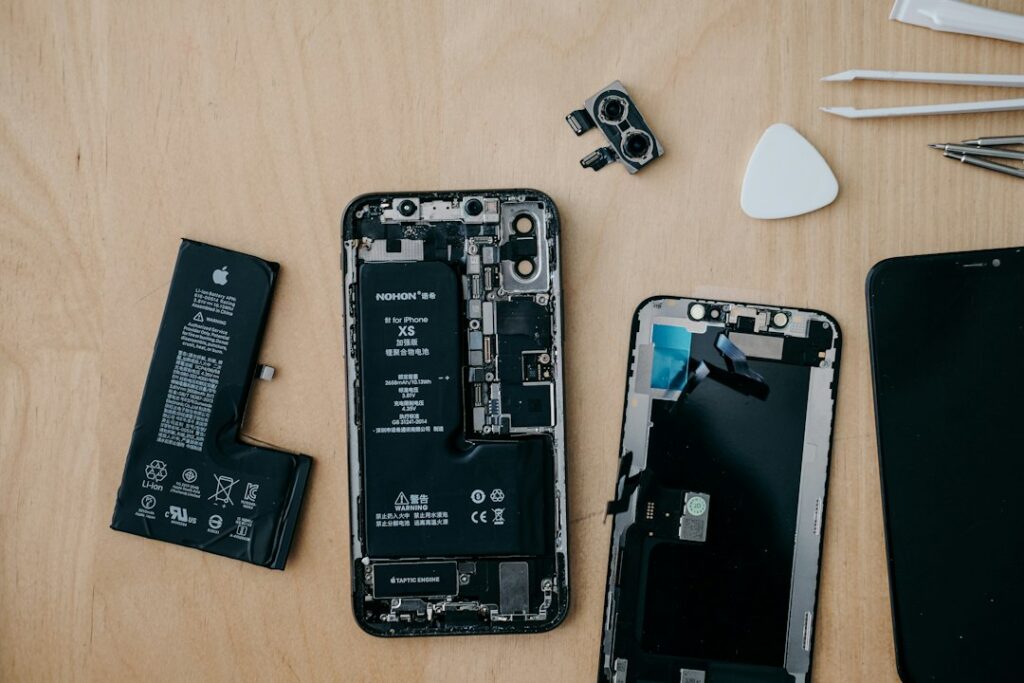
This refurbished vs new phone India guide compares the real costs and risks of both options. A refurbished smartphone can make a former flagship more affordable, while a new phone usually offers a clearer warranty path and a battery with less wear. Neither choice is automatically better. The right decision depends on the price gap, seller reliability, device age, remaining software support and how much risk you can tolerate.
In India, listings use terms such as used, renewed, open-box and refurbished. These labels are not always interchangeable. A used phone may simply have been resold by its previous owner; a refurbished phone should have undergone some inspection or repair, but the depth of that process varies. Ask what the seller actually tested and get the return and warranty terms in writing.
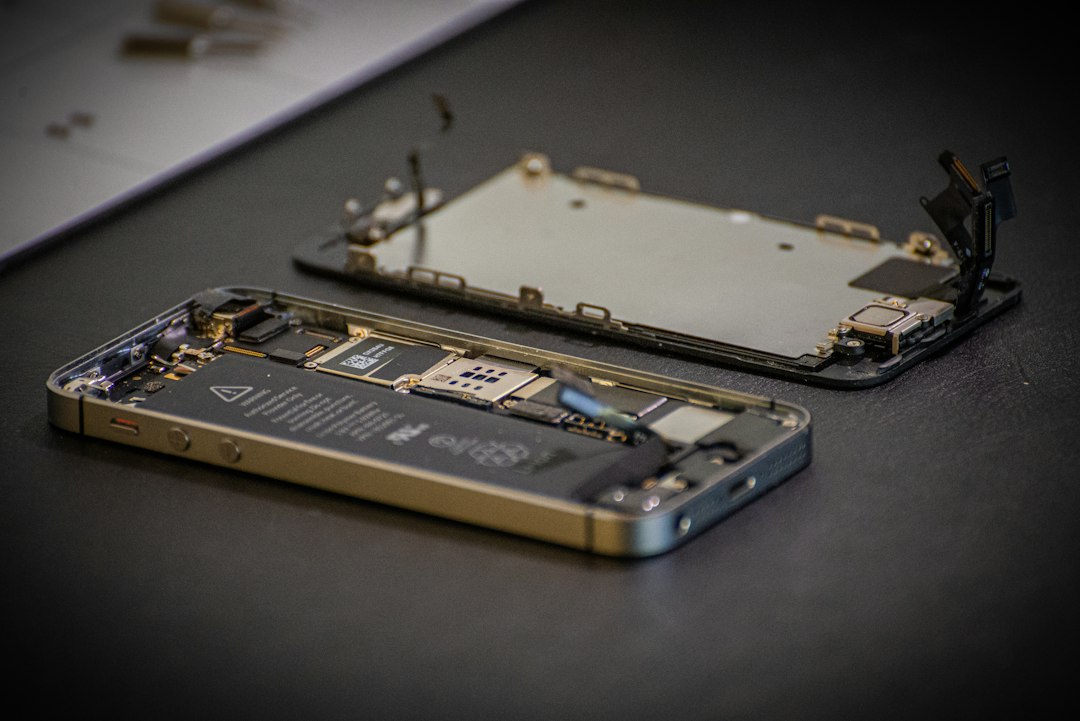
See more device comparisons in our USB-C charger buying guide.
What does refurbished really mean?
A refurbished phone may have been returned, traded in or previously owned, then checked before resale. Depending on the seller, it may receive cleaning, diagnostic testing, cosmetic grading or component replacement. Manufacturer-certified programmes and independent reseller programmes may have very different standards.
Ask whether the device was tested for display defects, touch response, battery condition, cameras, microphones, speakers, charging, cellular connectivity, Wi-Fi, Bluetooth and biometric sensors. Also ask whether parts were replaced and whether those parts are genuine, approved or third-party. Cosmetic grading is not the same as functional testing: a phone can look excellent but have an ageing battery.
For comparison, see the criteria in Apple’s guide to buying a pre-owned iPhone and the information on Samsung Certified Re-Newed devices. These are examples of manufacturer-specific standards, not proof that every marketplace listing follows the same process.
Refurbished vs new phone India: compare today’s price
A listing may advertise a large discount against the original launch price, even though the same model is now discounted at retail. Compare the refurbished price with the current street price of a new unit and with newer phones in the same budget.
Then add likely costs: a replacement battery, charger, case, screen protector, delivery, insurance and possible repairs. If the refurbished phone is only a little cheaper, the lower uncertainty of buying new may be worth the difference. If the savings are substantial and the seller offers a meaningful return window, refurbished can make more sense.
Decide how long you want to keep the device. A two-year-old flagship may still have excellent cameras and performance, but its remaining software support may be shorter. If you plan to use the phone for four more years, the support timeline should be part of the calculation.
Battery health: a major hidden cost
Phone batteries gradually lose capacity with use. An older phone may still work well, but a worn battery can lead to shorter days, unexpected shutdowns or a replacement bill. Ask the seller for battery-health information where the model exposes it and whether the battery has been replaced.
Battery-health numbers are not equally available or directly comparable across every Android model. Do not accept an unexplained percentage as proof of condition. Test charging, watch for rapid drops in charge and unusual heat, and ask about the battery warranty. A swollen battery is a safety concern; do not continue using or charging a device with one.
For iPhone, Apple’s support guide explains where to find Battery Health and how to inspect parts and service history on supported models. Samsung also provides battery diagnostics through Samsung Members on supported Galaxy devices. Use the manufacturer’s instructions for the exact model rather than a generic app’s claim.
Inspect the display, cameras and ports
The screen can be one of the most expensive components to replace. Check for cracks, dead pixels, uneven brightness, burn-in, flicker, colour tint and touch dead zones. Open a plain white screen and a dark screen, raise brightness and test touch across the entire panel. Inspect the phone in daylight, not only under dim shop lighting.
Test every rear camera lens, not just the main one. Photograph text, a face and a distant object; then record a short video and listen to the audio. Test the earpiece, loudspeaker, microphone, vibration, buttons, fingerprint reader or Face ID, charging port, Wi-Fi, Bluetooth and mobile network. If possible, use your own SIM and make a real call.
Look for gaps around the frame, a loose camera lens, mismatched screws or buttons that feel different. These signs do not prove that a repair was bad, but they are reasons to ask for the repair history. Water damage may be difficult to identify after a device has dried, so warranty and seller accountability remain important.
IMEI, activation locks and ownership
Before paying, check that the phone is not reported lost or stolen and is not locked to another person’s account. Confirm that the IMEI shown in the phone matches the invoice or box when available, and use official verification channels rather than relying only on a screenshot from the seller.
Ask the previous owner to remove their Google or Apple account and disable any activation lock. Ideally, reset the device and complete initial setup before final acceptance. If it asks for the previous owner’s credentials, do not proceed. A company-managed phone may also re-enrol into enterprise management after a reset, so ask whether the device is fully released from any organisation.
Do not buy a phone that cannot be reset and activated normally. A suspiciously low price combined with pressure to pay immediately is a reason to walk away.
Refurbished vs new phone India: warranty and return policy
A new phone bought from an authorised seller typically has the manufacturer’s applicable warranty. A refurbished device may have a remaining manufacturer warranty, a reseller warranty or no useful warranty at all. Ask who handles repairs, whether parts and labour are covered, whether the warranty follows the IMEI and what exclusions apply.
Read the return window separately from the warranty. A return window may be short, while warranty service may require repair rather than a refund. Keep the invoice, product description, condition grade and seller messages. If the delivered phone differs from the listing, document the issue promptly and contact the seller through the official platform.
Refurbished vs new phone India: software updates and security
A phone can be physically sound but no longer receive security updates. That matters for banking, authentication, work email and personal data. Check the manufacturer’s policy for the exact model and region. Do not assume an older flagship will receive updates for as long as a new mid-range device.
Also check storage. An older phone with limited space can fill up as apps and operating systems grow. If you depend on banking apps, mobile payments or work profiles, confirm that they run on the current software version. A device that no longer receives security patches may still work for basic tasks, but it is a weaker choice as a primary phone for sensitive accounts.
Online marketplace or in-person purchase?
Online listings offer choice and may provide documented return terms, but photos cannot reveal every defect. Check recent seller reviews, who actually sells the device, whether a tax invoice is provided and how returns are handled. Do not move the transaction off-platform if doing so removes buyer protection.
In person, do not let the seller rush you. Bring a SIM and test calls, mobile data, Wi-Fi, cameras, charging and biometrics. Check the IMEI and remove all accounts before completing the purchase. Use a traceable payment method and keep the transaction record.
Refurbished vs new phone India: when is refurbished better?
Refurbished makes sense when the savings are meaningful, the seller is reputable, the device has useful software support remaining and the condition and warranty are documented. It can be a good way to buy a former flagship with a strong display or camera at a lower price.
Buying new is usually simpler when the price gap is small, you need predictable battery life, want the longest available support window or cannot afford downtime. A new mid-range phone can also be better value than an old refurbished flagship if it has a longer update commitment and lower repair costs.
Checklist before you pay
- Confirm exact model, RAM/storage and regional variant.
- Check IMEI and remove previous-owner or enterprise locks.
- Test screen, cameras, microphones, speakers, charging and connectivity.
- Ask about battery health and replaced components.
- Read warranty, return window and repair exclusions.
- Check remaining Android/iOS and security updates.
- Compare against today’s new-device price, not the original launch price.
- Keep the invoice and listing evidence.
Frequently asked questions
Is a refurbished phone safe to buy?
It can be, if the seller is reliable, the phone passes checks and the return and warranty terms are clear. The word refurbished alone is not a guarantee.
Is refurbished the same as second-hand?
Not necessarily. Refurbished usually implies some inspection or repair; second-hand may simply mean previously owned. Ask what was tested.
Should I buy a refurbished flagship or a new budget phone?
Compare camera quality, battery condition, software support, repair cost and how long you plan to keep it. A new budget phone may be safer for long-term security.
What if the phone asks for the previous owner’s account?
Do not proceed. Ask the seller to remove the lock and reset the device properly. If they cannot, return it or walk away.
Final recommendation
Buy the device, not the discount. Battery condition, screen quality, activation locks, software support, warranty and seller reliability matter more than a large percentage off the original price. If the saving is small or you need a dependable phone for several years, new is often the straightforward choice. If you choose refurbished, use this checklist and never skip the ownership and activation checks.
Featured image credit
Illustrative smartphone image only; inspect the actual device before buying. Photo by Thai Nguyen on Unsplash.
Sources and further reading
- Apple Support: If you want to buy a pre-owned iPhone
- Samsung India: Certified Re-Newed programme
- Samsung India: Check Galaxy battery status
Refurbished phone inspection checklist
Do these checks before the return window closes—and preferably before accepting delivery:
- Match identifiers: compare the model and IMEI shown in settings, on the box and on the invoice. Avoid devices with mismatches or unclear ownership.
- Test the screen: check for dead pixels, burn-in, uneven brightness, touch dead zones and signs of panel replacement.
- Test battery and charging: inspect battery-health information if the model provides it, test the port and wireless charging if supported, and watch for unexpected shutdowns.
- Test every camera and microphone: take photos in each lens mode, record video and make a call.
- Check biometrics and connectivity: test fingerprint/face unlock, Wi-Fi, Bluetooth, GPS, mobile data and SIM detection.
- Confirm a clean reset: the seller must remove previous-owner accounts and activation locks. Do not accept a phone that asks for someone else’s credentials.
- Get terms in writing: record the return window, warranty duration, battery exclusions, repair coverage and who pays shipping.
- Keep evidence: save the listing, invoice, condition grade, serial/IMEI details and unboxing evidence.
Calculate the real saving before choosing refurbished
Use a total-cost comparison rather than the advertised discount. For example, suppose a refurbished phone costs ₹24,000 and a comparable new unit is available for ₹29,000 after normal discounts. The apparent saving is ₹5,000. If you expect a ₹2,000 battery replacement and value the shorter warranty or missing charger at another ₹1,000, the effective saving falls to ₹2,000. These are illustrative figures, not a current market quote; substitute the actual prices and repair estimates for the model you are considering.
| Cost or risk | What to record |
|---|---|
| Purchase price | Final checkout price including delivery |
| Battery/repair risk | Written estimate from a reliable service centre |
| Warranty | Duration, exclusions and repair provider |
| Software support | Expected remaining security updates |
| Return policy | Deadline and refund conditions |
| Effective saving | New-phone price minus refurbished price and expected extra costs |
If the remaining saving is small, new is often the lower-risk purchase. If it remains substantial and the seller has a clear return policy, a refurbished phone can be sensible—especially when the model still has useful security support.
Refurbished-phone scam warning signs
- The seller refuses to provide an invoice or lets you verify the IMEI only after payment.
- The device cannot be reset or still requests a previous owner’s account.
- The listing says “like new” but does not explain battery condition, repair history or warranty.
- The seller pressures you to pay outside the marketplace or through an untraceable method.
- The price is far below comparable listings and the seller cannot explain why.
Walk away if ownership or activation status cannot be confirmed. Keep the listing, payment record and written promises until the return period has ended. Related reading: our smartphone buying guide, how much phone storage you need, and power-bank buying advice.