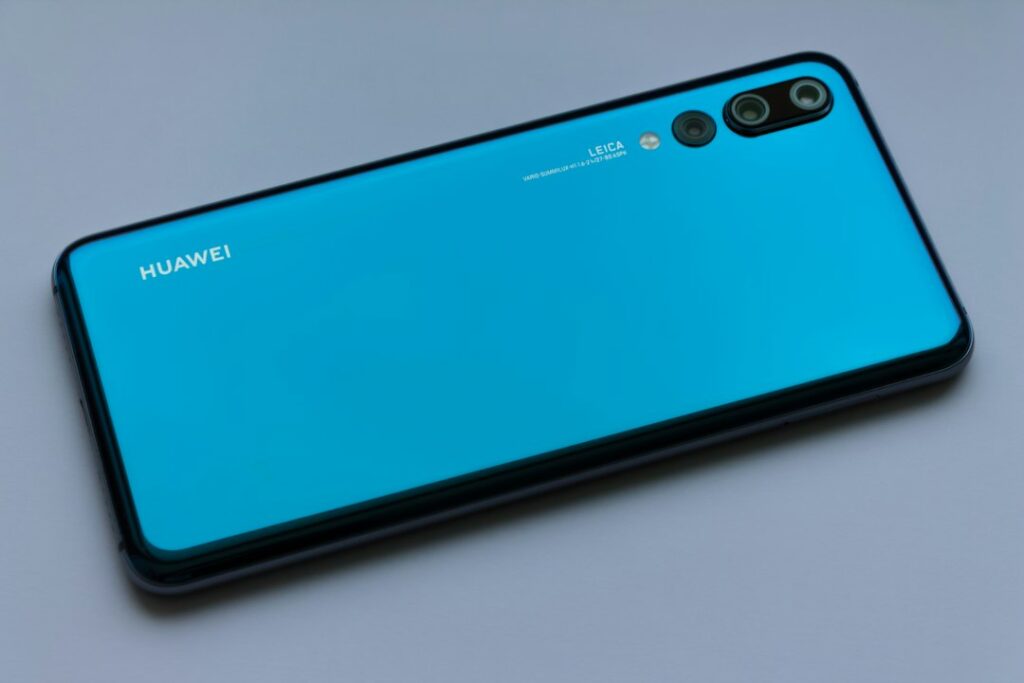
Smartphone Buying Guide 2026: What to Check Before You Buy in India
Choosing a smartphone in 2026 is less about finding the phone with the biggest specification number and more about matching hardware and software to the way you use your device.
The Indian market now includes performance-focused phones, camera-oriented models, premium flagships and devices designed around long software-support periods. Battery capacities have also increased on several newer models, while features such as high-refresh-rate OLED displays, advanced camera systems and faster connectivity are becoming more common.
This smartphone buying guide 2026 explains the main factors to consider before buying a phone in India.
1. Start With Your Main Use Case
Before comparing processors and cameras, identify what you actually do on your phone.
For gaming
Look for:
- A capable flagship or upper-midrange processor
- Efficient thermal management
- High-refresh-rate display
- Large battery
- Fast charging
- Stable network connectivity
- Sufficient RAM and fast storage
For example, the iQOO 15R combines the Snapdragon 8 Gen 5 Mobile Platform with a 1.5K 144Hz AMOLED display, a 7,600mAh battery and a 6,500mm² vapor-chamber cooling system. iQOO
The OnePlus Nord 6 takes a different approach with a 9,000mAh battery, 165Hz AMOLED display and Snapdragon 8-series platform. OnePlus
The specifications show why gaming-focused phones increasingly combine processing power with battery and thermal hardware rather than relying on the processor alone.
2. Don’t Choose a Processor by Name Alone
The processor is important, but it isn’t the only factor affecting smartphone performance.
When comparing two phones, check:
- CPU and GPU generation
- Manufacturing process
- RAM type
- Storage technology
- Cooling system
- Display resolution and refresh rate
- Software optimization
For example, the iQOO 15R uses LPDDR5X memory and UFS 4.1 storage alongside its Snapdragon 8 Gen 5 platform. iQOO
That combination can matter because fast storage and memory help with application loading and multitasking alongside raw processor performance.
For everyday users, spending more for the fastest available processor may not provide a meaningful advantage if the phone is primarily used for messaging, social media, photography and streaming.
3. Camera Specifications Need More Than Megapixels
A 200MP camera isn’t automatically better for every type of photography.
When comparing cameras, look at:
- Sensor size
- Lens aperture
- Optical image stabilization
- Telephoto cameras
- Ultra-wide cameras
- Autofocus
- Video recording capabilities
- Image-processing software
The OPPO Find X9 Ultra illustrates how manufacturers are approaching premium smartphone photography from multiple directions. It combines a 200MP main camera, a 200MP 3x telephoto camera and a 50MP 10x optical-zoom telephoto camera. OPPO
Its 10x telephoto uses a Quintuple Prism Periscope Structure and provides approximately 230mm-equivalent focal length. OPPO
That type of system is particularly relevant to people who regularly photograph distant subjects.
What to check for camera use
For everyday photography:
Prioritize a good main sensor, reliable autofocus and image processing.
For portraits:
A dedicated telephoto camera can provide more useful framing than simply cropping the main camera.
For distant subjects:
Look for a proper optical telephoto system rather than relying mainly on digital zoom.
For video:
Check stabilization, frame-rate options and maximum supported resolution.
4. Battery Capacity Has Become a Major Differentiator
Battery capacity has increased significantly in some 2026 smartphones.
The OnePlus Nord 6, for example, has a 9,000mAh battery according to OnePlus. The company also lists an 80W charging system. OnePlus
The iQOO 15R uses a 7,600mAh battery with 100W charging. iQOO
However, battery capacity alone doesn’t determine battery life.
Actual endurance also depends on:
- Processor efficiency
- Display resolution
- Refresh rate
- Network conditions
- Gaming workload
- Camera usage
- Background applications
- Software optimization
Therefore, a larger battery should be treated as one part of the battery equation rather than a guarantee of a specific number of hours.
5. Look at the Display Beyond Refresh Rate
High refresh rates are now common across many smartphone categories, but refresh rate isn’t the only display specification worth checking.
Compare:
- Display technology
- Resolution
- Refresh rate
- Brightness
- HDR support
- Color coverage
- PWM characteristics
- Screen size
- Touch-sampling rate
For example, the iQOO 15R has a 1.5K AMOLED display with a 144Hz refresh rate, while the OnePlus Nord 6 uses a 165Hz AMOLED display. iQOO
For most users, the difference between two high refresh rates may be less important than display quality, brightness and how efficiently the screen operates.
6. Software Support Matters More for Long-Term Ownership
If you intend to keep a smartphone for four or five years, software support should be part of the buying decision.
Samsung provides an example of an extended-support approach. The Galaxy S26 series is listed with seven generations of OS upgrades and seven years of security updates. Samsung Global Newsroom
The Galaxy S25 FE also supports up to seven generations of OS upgrades and seven years of security updates, according to Samsung. Samsung pl
When comparing phones, check the manufacturer’s stated:
- Android/OS upgrade policy
- Security-update period
- Update start date
- Regional availability
- Feature limitations by market
A phone with slightly older hardware but a clearly documented long support period can have a very different ownership profile from a device with similar hardware but shorter support.
7. Storage Is Increasingly Important
Modern phones can generate large amounts of data.
4K video, high-resolution photographs, offline streaming and large games can quickly consume storage.
Before buying, consider:
- 128GB
- 256GB
- 512GB
- 1TB where available
Also check whether the phone supports expandable storage. Many premium smartphones do not.
If you record a lot of video or keep large games installed, 256GB can provide considerably more flexibility than a 128GB configuration.
8. Check Connectivity and Other Hardware
Connectivity specifications are easy to overlook during a purchase.
Check whether the phone supports:
- 5G bands required by your network
- Wi-Fi generation
- Bluetooth version
- NFC
- USB standard
- Dual-SIM functionality
- eSIM where required
- GPS and other positioning systems
Also check physical features such as:
- IP water and dust resistance
- Fingerprint sensor type
- Stereo speakers
- Wireless charging
- USB-C video output where supported
These features can have more practical impact on daily use than small differences in benchmark scores.
9. Premium Phones Are Increasingly Differentiated by Cameras and Software
The flagship segment is no longer defined purely by processor performance.
Manufacturers are increasingly differentiating premium phones through:
- Advanced camera hardware
- AI-assisted photography
- Longer software support
- High-quality displays
- Large batteries
- Premium materials
- Advanced connectivity
- Device-to-device ecosystem features
Samsung’s Galaxy S26 Ultra, for example, combines flagship hardware with Samsung’s long-term software-support policy and newer AI features. Samsung lists seven generations of OS upgrades and seven years of security updates for the S26 series. Samsung Global Newsroom
OPPO’s Find X9 Ultra instead places considerable emphasis on its multi-camera system, including dual 200MP cameras and a native 10x optical telephoto. OPPO
These examples show why buyers should compare the features that matter to them instead of relying on a single overall specification.
10. Don’t Rely on a Single Price
Smartphone pricing in India can change because of:
- Sales
- Bank offers
- Exchange programmes
- Storage variants
- Retailer discounts
- New product launches
- Manufacturer promotions
For this reason, distinguish between:
Launch price:
The price announced when the phone was introduced.
Current official price:
The manufacturer’s current listed price.
Retail price:
The price displayed by a particular seller.
For a buying guide, it is safer to verify the current price immediately before publishing rather than treating an older retailer listing as a permanent price.
Smartphone Buying Checklist
Before purchasing a phone, ask these questions:
Performance
- What processor does it use?
- Is the cooling system appropriate for my workload?
- Does it have fast RAM and storage?
Display
- Is it AMOLED or another panel type?
- What resolution does it use?
- What refresh rate and brightness does it offer?
Camera
- Does it have OIS?
- Is there a useful telephoto camera?
- What video recording modes are supported?
Battery
- What is the battery capacity?
- How fast does it charge?
- Does the manufacturer provide realistic battery information?
Software
- How many OS upgrades are promised?
- How long will security updates continue?
- Are important AI or software features available in India?
Connectivity
- Does it support the required 5G bands?
- Which Wi-Fi and Bluetooth standards are supported?
- Does it have NFC or eSIM if you need them?
Storage
- Is 128GB enough?
- Would 256GB or 512GB make more sense?
- Is expandable storage available?
Smartphone Categories to Consider
Rather than looking for one universally “best” smartphone, divide your search according to your priorities.
| Priority | What to look for |
|---|---|
| Gaming | Strong processor, cooling, high refresh rate, large battery |
| Photography | Large sensors, OIS, useful telephoto system |
| Video | Stabilization, high-resolution recording, storage |
| Long-term ownership | Long software-support period, durable hardware |
| Battery life | Large battery, efficient processor, adaptive display |
| Everyday use | Balanced processor, display, camera and battery |
| Premium experience | Display, cameras, software, build quality and ecosystem |
Final Takeaway
The 2026 smartphone market gives Indian buyers more ways to prioritize what matters to them.
Performance-focused phones such as the iQOO 15R and OnePlus Nord 6 demonstrate the industry’s focus on large batteries, high-refresh-rate displays and powerful processors. iQOO
Camera-focused flagships such as the OPPO Find X9 Ultra demonstrate how manufacturers are using multiple dedicated focal lengths and advanced optical systems to differentiate premium devices. OPPO
Meanwhile, Samsung’s Galaxy S26 series shows the increasing importance of long software-support commitments alongside hardware improvements. Samsung Global Newsroom
The right smartphone therefore depends on your priorities. Start with your budget and main use case, then compare the processor, display, cameras, battery, software support, storage and connectivity of the specific models you are considering.
Sources
- iQOO 15R — official iQOO India specifications iQOO
- OnePlus Nord 6 — official OnePlus India OnePlus
- OnePlus 15R — official OnePlus India OnePlus
- Samsung Galaxy S26 series — official Samsung India Samsung Global Newsroom
- Samsung Galaxy S25 FE — official Samsung India Samsung pl
- vivo V70 — official vivo India Vivo
- OPPO Find X9 Ultra — official OPPO India
Related guides: Google Pixel 11 vs Pixel 10 comparison · budget smartphone buying checklist · smartphone storage guide. · refurbished vs new phone buying guide · OPPO Find X10 series overview · Xiaomi 18 Pro vs Pro Max comparison · Infinix GT 50 Pro gaming-phone guide.