
AR glasses in 2026 are becoming more practical as artificial intelligence, cameras, displays and voice assistants move into lightweight wearable devices. From AI-powered smart glasses to spatial-display glasses, the latest devices are designed for hands-free information, navigation, entertainment and productivity. This guide explains the best AR and smart glasses to know in 2026, what they can do, and what to check before buying.
AR Glasses in 2026: Best Smart Glasses and Augmented Reality Devices to Know
Augmented reality is moving beyond the idea of a futuristic headset. In 2026, smart glasses and AR devices are becoming more practical, combining displays, cameras, voice assistants, spatial computing and artificial intelligence in increasingly compact designs.
The biggest change is the move from glasses that simply display a large virtual screen to AI-powered eyewear that can understand what you see, provide information in real time and let you interact without constantly reaching for your phone.
Meta has introduced the Meta Ray-Ban Display, while Google is expanding Android XR toward intelligent eyewear. Samsung is already building the Android XR ecosystem with Galaxy XR, and companies such as XREAL continue to focus on lightweight spatial-display glasses. Ray-Ban
This guide explains the most important AR and smart-glasses developments to know in 2026, what each type of device does, and what you should check before buying.
What Are AR and Smart Glasses?
AR glasses are wearable devices designed to add digital information to your view of the real world.
However, not all smart glasses work in the same way.
Some models are primarily AI and audio glasses, using microphones, speakers and cameras without putting a display in front of your eyes. Others include a display that can show notifications, navigation, text, images or virtual screens.
There are also spatial-computing glasses designed primarily for watching content and creating large virtual displays.
The main categories are:
- AI glasses: voice assistant, camera, microphones and speakers
- Display glasses: virtual screens and media viewing
- AR glasses: digital information overlaid on the physical world
- XR headsets: larger devices designed for immersive virtual and mixed reality
This distinction is important because a pair of smart glasses may look like normal sunglasses but offer a very different experience from a true display-based AR device.
1. Meta Ray-Ban Display
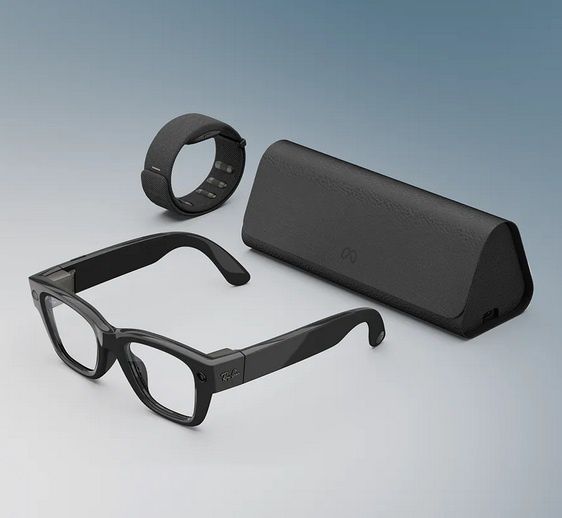
One of the most notable developments in 2026 is the Meta Ray-Ban Display.
Unlike earlier camera-and-audio-focused smart glasses, this model adds a full-color display integrated into one lens. Ray-Ban lists a 600 × 600-pixel display designed to show messages, notifications, visual answers, images and other information privately to the wearer. Ray-Ban
The glasses also introduce a Meta Neural Band, which uses electromyography-based controls to interpret subtle hand movements. This can be used to interact with features without continuously touching the glasses or using a phone. Ray-Ban
Key features
According to Ray-Ban’s official specifications, the Meta Ray-Ban Display includes:
- 600 × 600 full-color display
- 12MP ultra-wide camera
- 3K video recording at 30fps
- Open-ear speakers
- Six-microphone array
- Wi-Fi 6E
- Bluetooth 5.3
- 32GB storage
- iOS and Android compatibility
- Hand-gesture controls using the Meta Neural Band
- Meta AI integration
Ray-Ban lists approximately six hours of rechargeable battery use for the glasses, although actual battery life depends on how the device is used. Ray-Ban
What can you do with them?
The display makes the glasses more useful than conventional audio smart glasses.
You can use supported features to:
- Read messages
- View notifications
- Get visual information from Meta AI
- Translate signs and conversations
- Get walking directions
- View photos and visual information
- Control supported functions using gestures
For users who want glasses that can provide useful information without constantly pulling out a smartphone, this is one of the most interesting developments in the category.
Price and availability
Ray-Ban’s US store currently lists the Meta Ray-Ban Display at $799. Availability, supported AI features and languages vary by country, so Indian buyers should check official local availability before assuming that every feature will work in India. Ray-Ban
2. Google Android XR Intelligent Eyewear

Google is taking a different approach by developing Android XR as a platform that can support multiple types of XR devices.
At Google I/O 2026, Google said intelligent eyewear would come in two broad forms:
Audio glasses, which provide spoken assistance, and display glasses, which can show information directly to the wearer. Google also announced partnerships involving Gentle Monster, Warby Parker and Samsung. blog.google
Google’s vision is particularly important because Android XR isn’t intended to be limited to one headset or one pair of glasses. It is designed as a broader platform for future XR hardware.
Google has also demonstrated features such as:
- Directions
- Sending texts
- Taking photos
- AI assistance
- Contextual information
- Hands-free interaction
The company announced that its first audio-glasses products with partners would arrive in fall 2026, while display glasses represent another part of the broader Android XR roadmap. blog.google
Why Android XR matters
The success of AR glasses will depend not only on hardware but also on software.
A strong operating system can provide:
- Better app compatibility
- AI integration
- Navigation
- Notifications
- Translation
- Productivity tools
- Gaming and entertainment
- Cross-device connectivity
This is why Android XR could become one of the most important platforms to watch in the smart-glasses market.
3. XREAL One Pro
Not every AR glasses buyer wants a camera-equipped AI assistant.
Some people mainly want a large virtual display in a glasses-style form factor.
This is where XREAL’s products are particularly interesting.
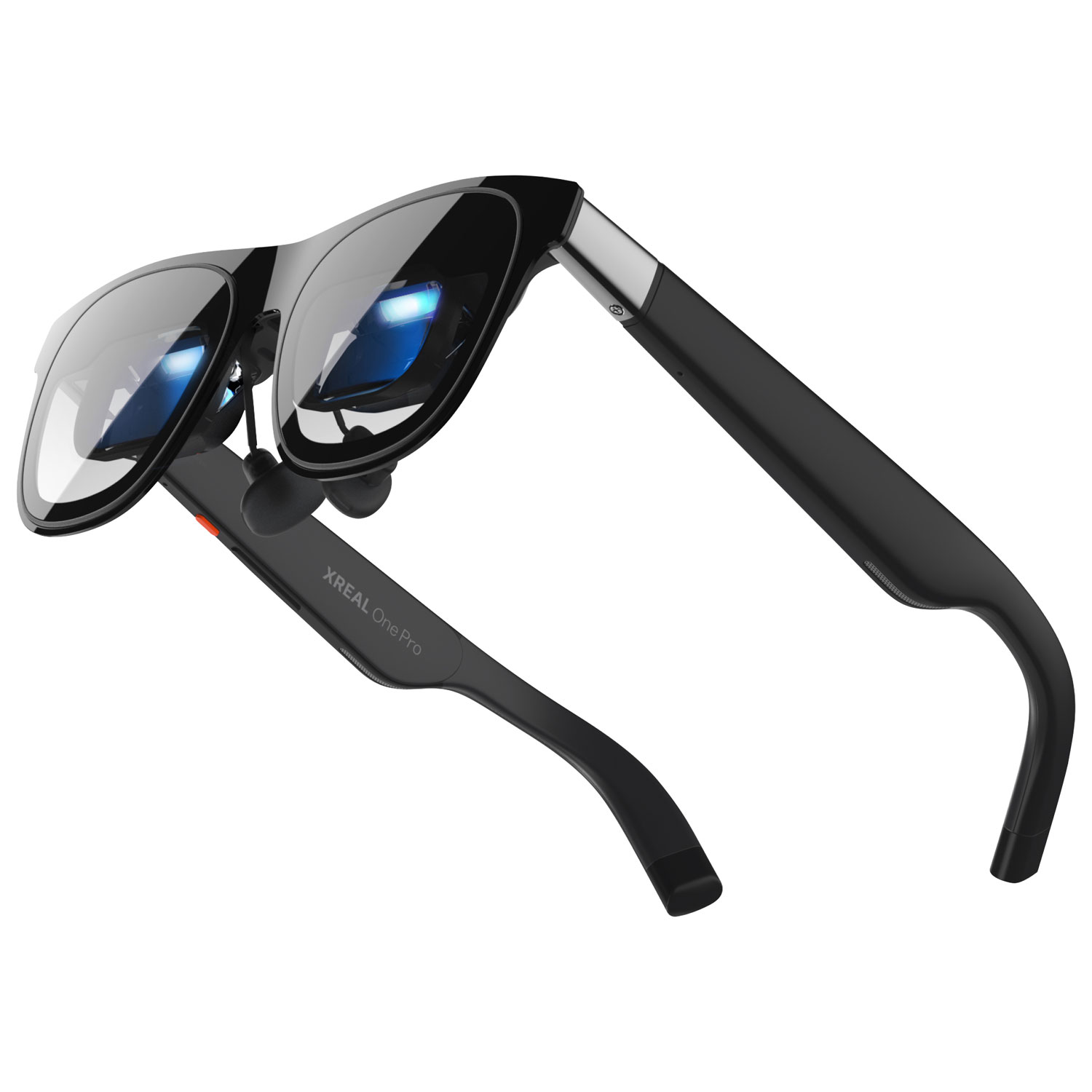
The XREAL One Pro uses a self-developed XREAL X1 chip and is designed around spatial displays rather than primarily being an AI assistant.
According to XREAL, the One Pro offers:
- Up to a 57° field of view
- 120Hz refresh rate
- 3DoF spatial display
- XREAL X1 spatial-computing chip
- Up to a virtual 310-inch ultrawide mode
- USB-C connectivity
- Multiple IPD size options
- Sound tuned with Bose
- Optional prescription-lens support XREAL UK Shop
Who should consider XREAL One Pro?
This type of device makes more sense for someone who wants:
- A large portable screen
- Gaming
- Watching movies
- Laptop productivity
- Travel entertainment
- Multi-screen-style workflows
It is important to understand that this is a different category from Meta’s AI glasses.
Meta Ray-Ban Display focuses heavily on AI, communication and contextual information, while XREAL focuses more on spatial display and personal-screen experiences.
4. Samsung Galaxy XR
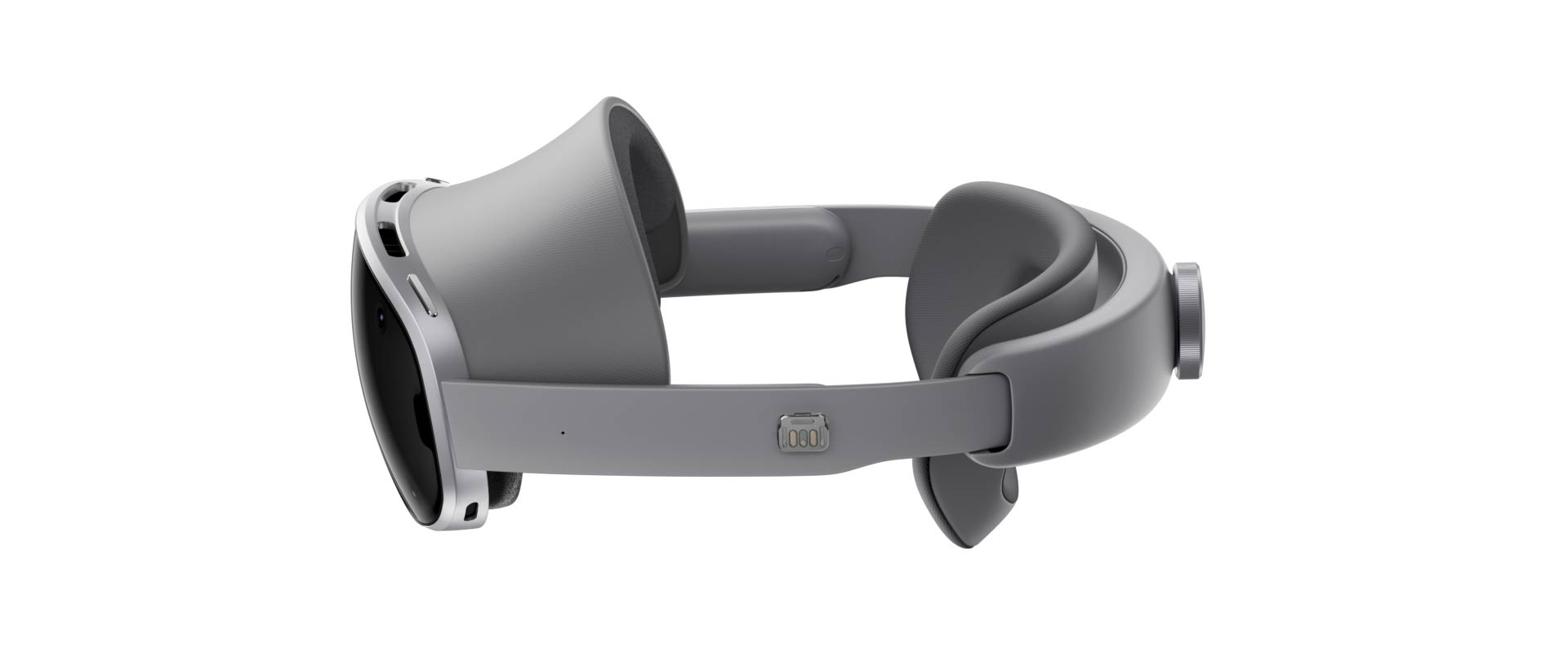
Samsung’s Galaxy XR is another major part of the 2026 XR ecosystem, although it is a headset rather than conventional lightweight glasses.
Samsung launched Galaxy XR as the first hardware product based on the Android XR platform developed with Google and Qualcomm. Samsung Global Newsroom
Galaxy XR combines:
- Multimodal Gemini AI
- Eye tracking
- Hand tracking
- Voice interaction
- High-resolution Micro-OLED displays
- Spatial apps
- Passthrough video
- Google Maps
- YouTube
- Circle to Search
- 3D content experiences
Samsung lists a 3,552 × 3,840 display resolution, Snapdragon XR2+ Gen 2 platform, 16GB memory and 256GB storage. The headset weighs about 545g before considering the separate battery pack. Samsung Global Newsroom
Why Galaxy XR matters for AR glasses
Galaxy XR demonstrates where the Android XR ecosystem is heading.
Samsung has already stated that its XR roadmap is intended to extend across different device types, including future AI glasses. Samsung Global Newsroom
So even though Galaxy XR isn’t a conventional pair of AR glasses, it is important because it provides a glimpse of the software and AI ecosystem that could eventually power lighter wearable devices.
AR Glasses vs Smart Glasses vs XR Headsets
The terms can become confusing, so here’s a simple comparison:
| Device type | Main purpose | Display | Camera | Best for |
|---|---|---|---|---|
| AI glasses | AI, calls, information | Sometimes | Usually | Everyday use |
| Smart glasses | Audio, camera, notifications | Optional | Often | Hands-free features |
| AR glasses | Digital information over real world | Yes | Often | Navigation, work, information |
| Spatial-display glasses | Large virtual screen | Yes | Not always | Gaming, movies, productivity |
| XR headset | Immersive computing | Yes | Yes | Gaming, work, 3D experiences |
The most important thing is not the marketing name. Look at what the device can actually do.
What Should You Check Before Buying AR Glasses?
Buying AR or smart glasses purely because they look futuristic can be a mistake.
Here are the most important factors to check.
1. Display quality
For display-equipped glasses, check:
- Resolution
- Brightness
- Field of view
- Refresh rate
- Contrast
- Text readability
A high-resolution display is particularly important if you plan to read documents or use the glasses for productivity.
2. Comfort and weight
You may use smart glasses for hours at a time.
Check:
- Overall weight
- Nose pressure
- Frame size
- Balance
- Heat
- Prescription-lens support
A technically impressive device isn’t useful if you don’t want to wear it.
3. Battery life
AR glasses can consume considerable power because displays, cameras, wireless connectivity and AI functions all require energy.
Check battery claims based on your expected use rather than relying only on the manufacturer’s maximum figure.
4. Phone compatibility
Before buying, check whether the glasses support your phone.
Look for:
- Android version
- iOS support
- USB-C requirements
- Companion application
- Bluetooth compatibility
- Required accessories
For example, Meta lists iOS 15.2+ and Android 10+ compatibility for the Meta Ray-Ban Display, subject to supported devices and features. Ray-Ban
5. AI capabilities
AI is becoming one of the biggest differentiators.
Check whether the glasses can:
- Answer questions
- Understand what the camera sees
- Translate text
- Summarize information
- Give directions
- Send messages
- Control supported applications
Also check whether those features are available in your country and language.
6. Privacy
This is especially important for glasses with cameras.
Before buying, understand:
- When the camera records
- Whether an indicator light is visible
- Where recordings are stored
- Which cloud services process data
- What information the AI can access
Camera-equipped eyewear can create privacy concerns in public spaces, workplaces and educational environments.
7. Prescription support
People who wear spectacles should check whether the manufacturer supports prescription lenses.
Some AR products support custom prescription solutions, while others may require separate lens inserts.
8. Availability and after-sales service
This is particularly important in India.
Before purchasing an overseas AR product, verify:
- Whether it officially ships to India
- Warranty coverage
- Replacement parts
- Repair options
- Local software support
- Import duties
- Availability of prescription lenses
A cheaper overseas purchase can become expensive if warranty service is unavailable.
Are AR Glasses Worth Buying in 2026?
For the right user, yes.
But AR glasses are still not a universal replacement for smartphones.
They make the most sense for people who want:
- Hands-free AI assistance
- Navigation
- Notifications
- Photography
- Translation
- Large virtual screens
- Gaming
- Portable productivity
However, there are still compromises involving battery life, price, software support, comfort, privacy and regional availability.
The most interesting trend in 2026 is that the market is moving beyond simple smart glasses.
AI is becoming part of the glasses experience itself.
Instead of simply taking photos or playing audio, newer devices are being designed to understand the user’s surroundings, respond to natural language and provide information at the right moment.
The Future of AR Glasses
AR glasses 2026 are moving beyond simple camera glasses as displays, AI assistants, translation, navigation and hands-free computing become more practical. Future devices are likely to combine lighter designs with better battery life and more useful on-device AI.
The next stage of AR is likely to be less about putting a giant computer on your face and more about making computing almost invisible.
Future devices could increasingly combine:
- AI assistants
- Real-time translation
- Navigation
- Computer vision
- Contextual reminders
- Health and fitness information
- Hands-free communication
- Spatial computing
- Real-time visual search
Google’s Android XR roadmap and Meta’s display-equipped smart glasses show that the industry is moving toward this type of experience. blog.google
The biggest challenge will be balancing usefulness, battery life, privacy, comfort and price.
Final Verdict
AR and smart glasses are becoming much more practical in 2026.
The Meta Ray-Ban Display is particularly interesting for users who want AI, communication and a built-in display in a glasses-style design. Ray-Ban
The XREAL One Pro is better suited to people looking for a portable spatial display for entertainment and productivity. XREAL UK Shop
Google Android XR is important for the future because it provides a platform for a wider ecosystem of AI glasses and XR devices. blog.google
And Samsung Galaxy XR shows how AI, spatial computing and Android can come together in a more immersive form factor. Samsung Global Newsroom
For most buyers, the best choice will depend on what they actually want from the device: AI assistance, a virtual screen, gaming, productivity or immersive XR experiences.
Related Guides
- AI Wearables Explained: Beginner’s Guide for 2026
- iPhone Duo vs Galaxy Z Fold8: Specs, Design and Buyer Considerations
- Laptop Buying Guide 2026: How to Choose by Workload
Frequently Asked Questions
Are AR glasses the same as smart glasses?
No. Smart glasses can provide audio, cameras and AI features without necessarily having a visual display. AR glasses generally add digital information to your field of view.
Can AR glasses replace a smartphone?
Not yet for most people. Current devices still depend on smartphones, computers or cloud services for many functions.
Are AR glasses useful for work?
Yes. Display-based glasses can provide large virtual screens and portable displays, while AI glasses can help with communication, information and hands-free tasks.
Do AR glasses work with Android phones?
Many do, but compatibility differs by product. Always check the manufacturer’s supported-device list before purchasing.
Are AR glasses available in India?
Some international products may be available through official channels or imports, but availability, pricing, warranty and AI features can vary. Check the manufacturer’s Indian website or official regional availability before buying.
Are AR glasses safe to use?
They are designed for wearable use, but users should follow the manufacturer’s safety instructions. You should also avoid using immersive display features when they could reduce awareness of traffic, obstacles or other hazards.
Sources
Samsung — Galaxy XR official announcement and specifications Samsung Global Newsroom
Ray-Ban — Meta Ray-Ban Display official specifications Ray-Ban
Google — Android XR and intelligent eyewear announcements blog.google
XREAL — XREAL One Pro official specifications XREAL UK Shop