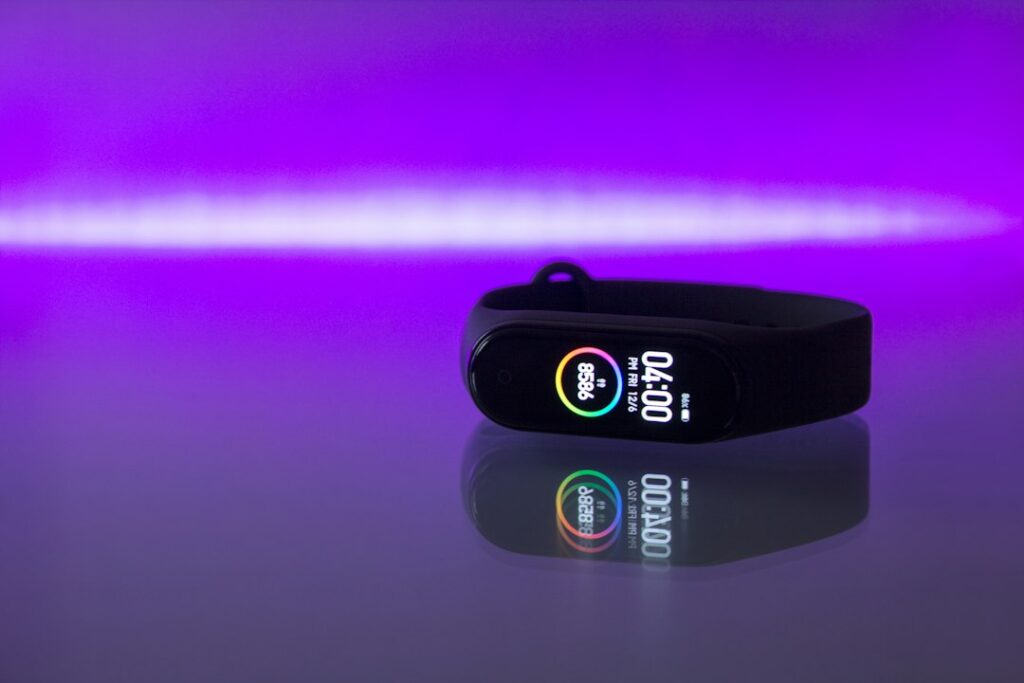
Fitbit Air in India takes a different approach to wearable technology: instead of putting another screen on your wrist, it focuses on collecting health and activity data in a lightweight band and presenting insights in the companion app. It launched in October 2026 at a listed price of ₹13,999. That makes it worth comparing with conventional fitness bands and smartwatches—but the right choice depends on whether you value discreet tracking more than on-wrist information.
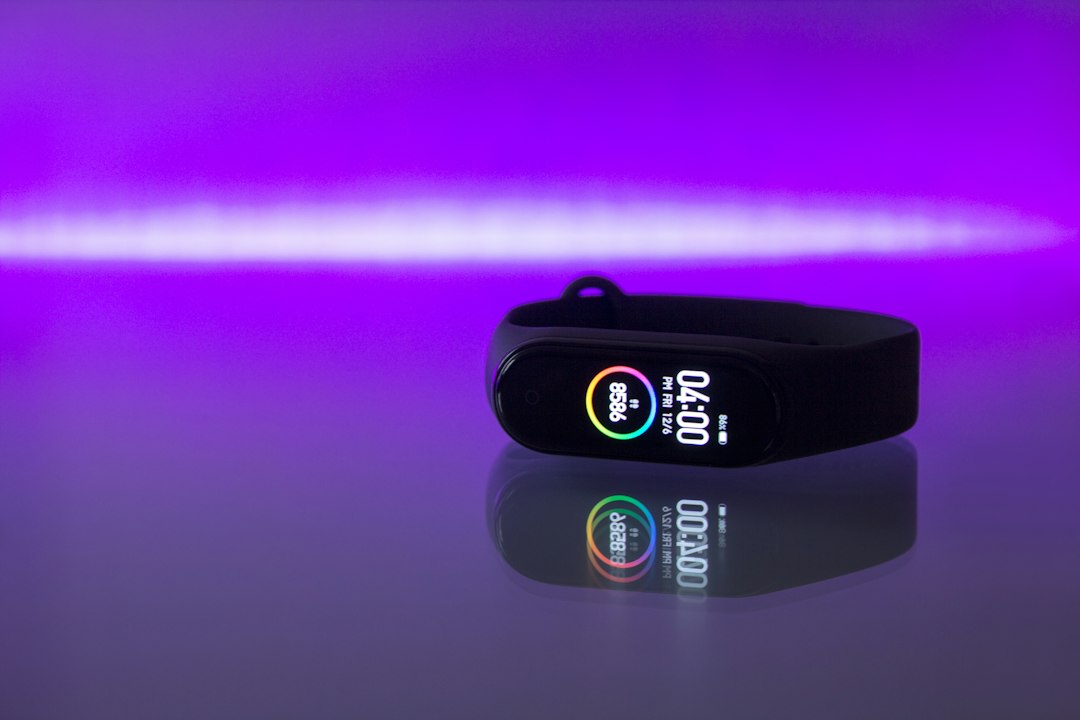
Price and availability can change. Check the official store and retailer listing before buying. Health trackers are not substitutes for medical advice or diagnostic equipment.
Google Fitbit Air: key details at a glance
- India launch price: ₹13,999 at launch.
- Design: Screenless fitness tracker designed for continuous wear.
- Tracking: Heart rate, sleep and other wellness metrics; the exact features available may depend on the app, region and subscription.
- Battery: Advertised for up to seven days, depending on usage and settings.
- Compatibility: Check the current Google Health/Fitbit requirements for your Android or iPhone before purchasing.
- Software: Google Health Coach features may require a premium subscription after any included trial.
What makes a screenless tracker different?
A normal smartwatch puts notifications, watch faces, apps and workout controls directly on your wrist. A screenless tracker removes most of that interaction. It can be lighter and less distracting, and there is no bright display to check at night. The trade-off is that you usually need your phone to see detailed charts, review sleep summaries or inspect trends.
This design may suit people who want to build consistent habits without constantly checking notifications. It may be less appealing if you want live workout stats, turn-by-turn directions, contactless payments or quick access to messages from your wrist. Before buying, list the functions you use every day and confirm that the Fitbit Air actually supports them.
Health and activity tracking: what to understand
Fitbit Air is marketed around ongoing health and activity tracking, including heart-rate and sleep-related insights. Metrics such as resting heart rate, sleep duration, sleep stages and heart-rate variability can help you notice patterns over time. They are estimates produced by sensors and software, however, and can be affected by fit, movement, skin contact, charging gaps and individual differences.
Do not treat a single unusual reading as a diagnosis. If a measurement worries you or you have symptoms, seek advice from a qualified healthcare professional. Availability of features such as blood-oxygen estimates or heart-rhythm notifications can vary, and not every feature is a medical-grade measurement or available in every market. Confirm the exact Indian model’s feature list and the wording in its app.
Battery life and everyday comfort
Google’s advertised battery life is up to seven days, but actual results depend on sensor sampling, notifications, workouts, software updates and how often the tracker syncs. A useful way to judge battery claims is to ask whether the device will last through your normal week, including sleep tracking, without making charging a daily chore.
Comfort matters just as much. If you plan to wear a tracker overnight, check the band material, clasp, sizing and how easily it can be cleaned. Wearables collect better data when they fit as intended, but the band should not be so tight that it causes discomfort or skin irritation. Take breaks and follow the manufacturer’s cleaning instructions.
Subscription costs: check the total price
Some advanced coaching and insight features are tied to a paid subscription. An included trial can make the first few months feel like part of the purchase, but it is important to find out what happens when that period ends. Check the renewal price, cancellation steps and which features remain available without a subscription.
Compare the total cost over one year, not just the ₹13,999 device price. If the features you value most require a recurring payment, include that amount in your budget. If you mainly need steps, basic activity tracking and simple sleep trends, a less expensive band may be enough.
Fitbit Air vs a regular smartwatch
| Need | Screenless tracker | Smartwatch |
|---|---|---|
| Minimal distraction | Often a better fit | Depends on notification settings |
| Live workout information | Usually limited on the wrist | Usually easier to view |
| Notifications and apps | Not its main purpose | Usually a major advantage |
| Sleep tracking | Designed for continuous wear | Depends on comfort and battery |
| Detailed reports | Viewed in the companion app | Often available on watch and phone |
This is a general comparison, not a guarantee of specific features. Check the manufacturer’s specifications for the exact device you are considering.
Who should consider Fitbit Air?
- Consider it if: you want a discreet tracker, care about long-term activity and sleep trends, and prefer fewer wrist notifications.
- Compare alternatives if: you want GPS navigation, music controls, apps, payment features or live workout metrics on your wrist.
- Think carefully if: you do not want a subscription, dislike wearing a band overnight, or already own a device that tracks the same metrics well.
Before you buy: a five-point checklist
- Confirm the current India price and what is included in the box.
- Check phone compatibility and app requirements.
- Verify which health metrics and alerts are available in India.
- Read the subscription terms and post-trial price.
- Check comfort, band sizing, warranty and the retailer’s return policy.
Frequently asked questions
Does Fitbit Air have a screen?
No. Its screenless design means you generally use the companion app to view detailed information.
How long does the battery last?
The advertised figure is up to seven days, but actual battery life varies with settings, use and software.
Is Fitbit Air a medical device?
Do not assume that consumer wellness estimates are medical diagnoses. Check the manufacturer’s feature descriptions and consult a clinician about health concerns.
Will I need to pay for Google Health Coach?
Some advanced coaching features may require a paid plan after an included trial. Review the current Indian subscription terms before purchasing.
How to compare Fitbit Air with alternatives
Compare wearables using the features you will actually use rather than the number of metrics listed on a product page. For example, a person mainly interested in sleep routines may value comfort, battery life and easy-to-understand trends more than a bright display. Someone who runs outdoors may need built-in GPS or reliable phone-connected GPS, workout controls and clear live pace information—features that a screenless band may not deliver in the same way.
Also compare the complete cost over 12 months. Add the purchase price, any subscription renewal, replacement straps and likely charging accessories. Check whether your existing phone supports the companion app and whether health data can be exported or shared in the way you prefer. If you already own a smartwatch, test whether the new tracker adds a meaningful benefit or simply duplicates your current sleep and activity reports.
Finally, read the return policy before opening or wearing the device. Wearables are personal items, and hygiene rules may limit returns after use. A short comparison checklist can prevent paying extra for coaching features you will not use.
Verdict
Fitbit Air is most interesting for people who want a low-distraction wearable focused on ongoing tracking rather than a miniature smartphone on the wrist. Its value depends on comfort, the metrics you actually use, compatibility and subscription costs. Compare those details with your current device before spending ₹13,999.