The September Hardware Window: Why This Cycle Matters
September has traditionally served as the most critical month of the year for consumer technology launches. This season, the global tech landscape is bracing for a fundamental shift in premium form factors. While much of the baseline market continues to iterate on standard designs, the spotlight is firmly on Apple’s rumored entry into the foldable smartphone segment with the “iPhone Ultra” (also referred to as the iPhone Fold). For a broader view of how these shifts fit into the wider product landscape, readers can explore our analysis of Future Tech Unboxed: The Best New Gadgets Making Waves.
Understanding these upcoming developments requires looking past the marketing hype to analyze supply chain realities, engineering trade-offs, and pricing structures. This editorial analysis breaks down the confirmed details, unresolved discrepancies, and practical buying considerations for the most anticipated hardware of the season.
Apple’s First Foldable: The iPhone Ultra’s Leaked Specifications
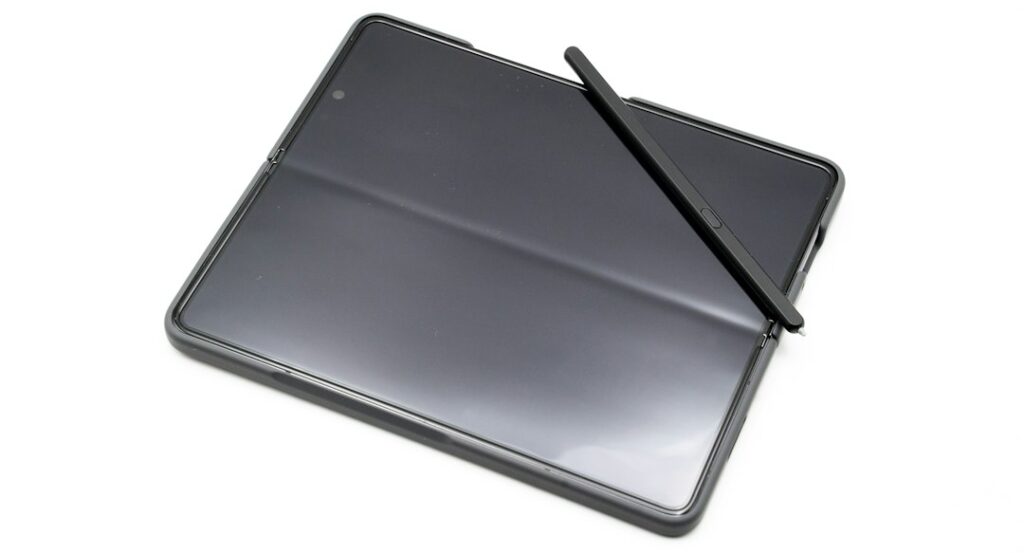
The rumored iPhone Ultra represents a massive departure from Apple’s traditional hardware architecture. According to leaked specifications from supply chain sources, the device is expected to feature a book-style folding design. However, early reports contain several key discrepancies that highlight the fluid nature of pre-launch leaks.
When synthesizing the technical specifications, there are notable differences between early leaks:
- Displays: While some early reports suggest a flat 5.5-inch outer display, financial research notes indicate a slightly more flexible range of 5.3 to 5.5 inches for the outer OLED panel. The main inner display is expected to be a massive 7.8-inch OLED panel featuring LTPO technology and a 120Hz ProMotion refresh rate.
- Camera Configurations: Sources agree on a dual 48MP rear camera setup consisting of a primary shooter and an ultra-wide-angle lens. However, selfie camera specifications diverge: early leaks point to dual 18MP front cameras (one on each display), while consolidated supply chain data suggests up to 24MP sensors, utilizing a punch-hole on the outer display and an under-display configuration on the inner screen.
- Battery Capacity: One set of leaks points to a 5,400mAh or 5,800mAh unit, whereas alternate research notes indicate a broader range of 5,400 to 6,000 mAh—which would represent the largest battery ever integrated into an iPhone.
- Internal Silicon: Under the hood, the Ultra is rumored to run on the Apple A20 Pro chipset, built on a cutting-edge 2nm process, paired with 12GB of LPDDR5X RAM and Apple’s in-house C2 5G modem.
With storage options rumored to span from 256GB up to 1TB, buyers will need to carefully calculate their usage requirements. For a detailed breakdown of how to choose the right tier, consult our guide on How Much Storage Do You Really Need on a Smartphone?.
The iPhone X Playbook: Will the Ultra Be Delayed to December?
A major point of contention among market analysts is the launch timeline. While some expectations point to a joint reveal alongside the standard iPhone 18 Pro series on September 9, research notes from investment bank Barclays suggest a different strategy. Analyst Tim Long notes that Apple may not begin shipping the foldable iPhone Ultra until December 2026.
This dual-release timeline mirrors the strategy Apple deployed in 2017. During that cycle, the company announced and shipped the iPhone 8 and 8 Plus in September, while the radically redesigned iPhone X did not ship until November. Treading carefully with the iPhone Ultra makes strategic sense: Apple has faced software optimization challenges with its AI features, and a staggered release allows the company to refine the foldable’s unique operating system behaviors before it reaches consumers.
Engineering the Fold: Titanium, Liquid Metal, and the Crease-Free Quest
To compete with established foldable manufacturers, Apple is focusing heavily on structural engineering. The iPhone Ultra is rumored to feature a remarkably slim profile, measuring approximately 9.0 to 9.5mm when folded, and a mere 4.5 to 4.8mm when unfolded. To achieve this while maintaining structural integrity, the chassis will reportedly utilize a titanium and aluminum frame, or a combination of titanium and stainless steel.
The hinge mechanism is where the most significant engineering innovations are occurring. To address the physical crease that often mars foldable screens, Apple is reportedly using liquid metal in the hinges alongside a specialized metal plate. This design is engineered to distribute and control the stress generated during bending, resulting in a virtually “crease-free” display experience. Additionally, biometrics are expected to shift, with Touch ID integrated directly into the power button rather than relying solely on Face ID.
The Premium Indian Market Reality: Pricing and Decision Criteria
For Indian consumers, the financial and operational realities of the iPhone Ultra are highly significant. Early estimates put the pricing of the rumored foldable device between Rs 2,00,000 and Rs 2,25,000 (with global estimates ranging from $1,999 to $2,400). This places the Ultra in an ultra-luxury bracket, costing nearly double the price of standard premium handsets.
Operationally, leaks indicate that the device may be an eSIM-only model. In India, where physical SIM swapping remains common for travelers and multi-device users across networks like Jio, Airtel, and Vi, a transition to a completely physical-SIM-free architecture will require a notable shift in consumer behavior.
Rumored iPhone Ultra Specifications vs. Market Standards
| Feature | Rumored iPhone Ultra Specs | Market Implications & Trade-offs |
|---|---|---|
| Main Display | 7.8-inch OLED (LTPO, 120Hz ProMotion) | Tablet-class canvas; potential crease control via liquid metal hinges. |
| Outer Display | 5.3 to 5.5-inch OLED | Narrower than traditional smartphones; optimized for quick tasks. |
| Thickness | 9.0–9.5mm (folded) / 4.5–4.8mm (unfolded) | Incredibly thin, but raises questions about long-term structural durability. |
| Processor & RAM | Apple A20 Pro (2nm) + 12GB LPDDR5X | Next-gen performance; highly optimized for heavy multitasking. |
| Connectivity | Apple C2 5G modem, Wi-Fi 7, eSIM only | No physical SIM slot; potential friction for some Indian users. |
| Estimated Price | Rs 2,00,000 to Rs 2,25,000 | An extreme premium that targets early adopters and luxury buyers. |
Beyond the Handset: The Evolution of Next-Gen Audio Companions
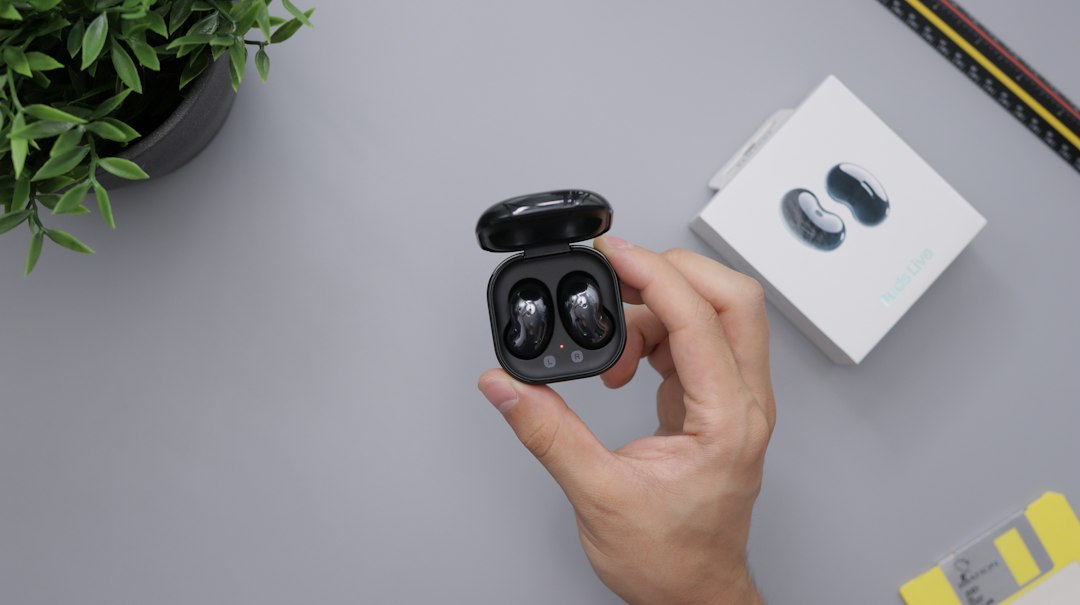
While September hardware cycles are dominated by smartphones, premium audio companions are undergoing a parallel evolution. Although official technical specifications for rumored September audio releases—such as Sennheiser’s latest earbuds—remain unverified by supply chain documentation, the broader industry trends are clear.
Today’s premium audio market is moving away from simple driver updates toward highly integrated smart features. To understand where this market is heading, consumers can look at innovative form factors like the Plaud One AI Earbuds, which demonstrate how modern audio gear is incorporating dedicated connectivity and productivity tools directly into the listening experience. When evaluating any new earbud releases this season, buyers should prioritize advanced connectivity standards (like Wi-Fi 7 or Bluetooth LE Audio) and robust active noise cancellation (ANC) over minor aesthetic changes.
The Verdict: Should You Wait for the September Wave?
The decision to invest in this upcoming generation of hardware depends on your tolerance for first-generation technology and your budget. The iPhone Ultra promises to be a marvel of materials science, but it comes with distinct trade-offs.
Buyer’s Decision Checklist
- Are you prepared for first-generation foldables? Despite liquid metal hinges, folding screens are inherently more delicate than standard glass slabs.
- Does your carrier support seamless eSIM activation? Ensure your primary Indian telecom provider can easily transition your number without physical SIM card reliance.
- Does the price align with utility? At an estimated Rs 2,00,000+, the device must replace both a phone and a tablet to justify its cost-to-utility ratio.
Ultimately, if you are looking for tried-and-tested durability, the standard premium flagship lines remain the safest bet. However, if you want to experience the absolute cutting edge of display and hinge engineering—and have the budget to support it—waiting for the late-year rollout of the iPhone Ultra could be well worth it.
Sources & further reading
- Apple iPhone Ultra leaks: From launch timeline to specs and price, here is what we know — Digit
- iPhone Ultra, iPhone 18 Pro and more: From Apple’s first foldable iPhone to Touch ID replacing Face ID, what to expect on September 9 — MSN
- Is iPhone Fold launch delayed? New leak reveals Apple’s ‘Ultra’ iPhone may mirror iPhone X strategy | Mint — Mint