
Introduction
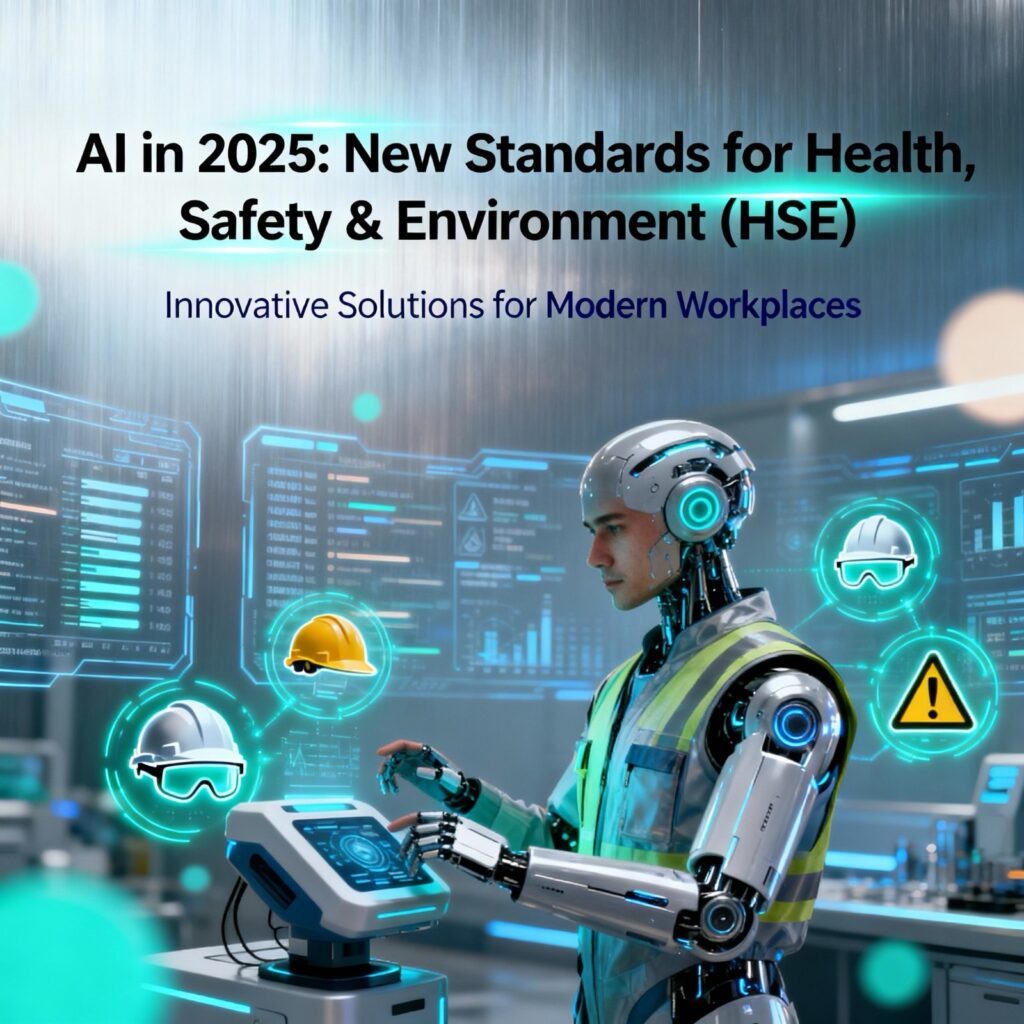
Artificial Intelligence (AI) is transforming Health, Safety, and Environment (HSE) management across industries. In 2025, companies are moving from reactive responses to proactive risk prevention. With AI tools, businesses can forecast risks, automate compliance, and build safer workplaces like never before.
Predictive Analytics: Proactive Safety, Not Reactive Response
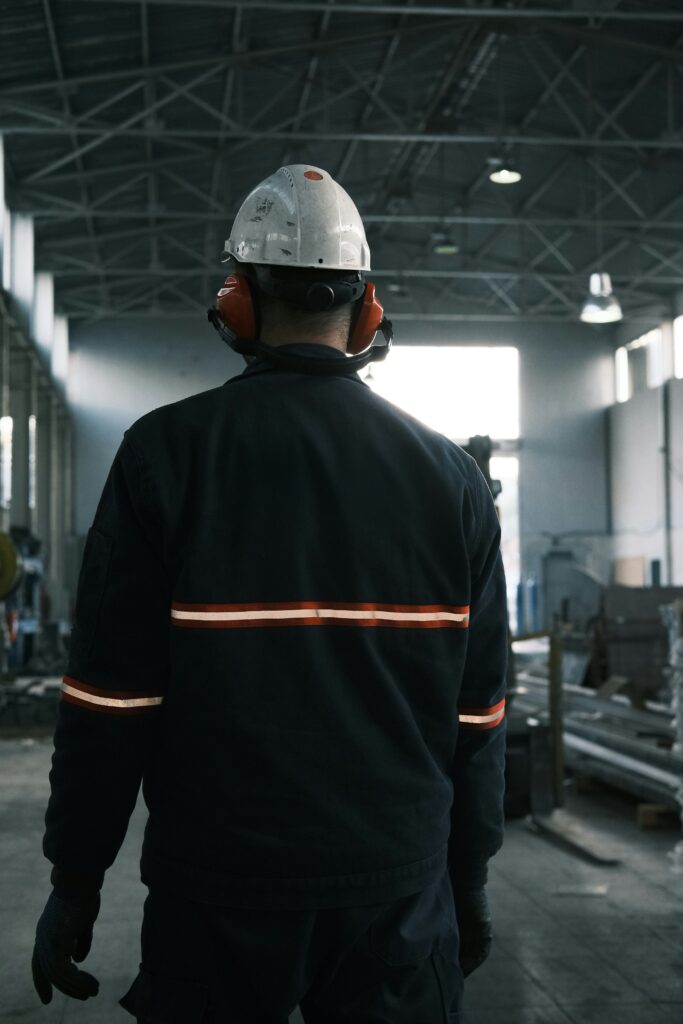
AI-powered predictive analytics use historical data to detect patterns—anticipating safety risks before incidents happen. Machine learning analyzes equipment usage, behavioral trends, environmental variables, and maintenance logs.
Organizations act early, repairing machines before they fail or preventing unsafe behavior before accidents occur. For example, manufacturing units applying AI-driven analytics have reported up to a 20% reduction in equipment-related accidents and less downtime.
Real-Time Monitoring and Rapid Incident Response
Advanced AI integrates with cameras and IoT sensors to monitor workplaces in real time. These systems instantly detect:
- PPE compliance
- Unsafe behavior
- Temperature spikes
- Gas leaks
When a hazard is noticed, instant alerts mean immediate intervention—saving lives and reducing loss.
AI Automating Compliance and Reporting
AI tools automate safety documentation and compliance checks, freeing up safety managers’ time. Smart dashboards provide instant feedback, track incidents, and ensure organizations never miss a regulatory deadline. This technology boosts operational efficiency and regulatory confidence.
Wearables, Digital Twins, and VR Training
Wearable devices like smart helmets and wristbands collect live data on workers’ safety and well-being. Digital twins (virtual replicas of real-world assets) help companies simulate safety protocols without risk.
Virtual reality (VR) training is making safety education immersive and accessible, reducing human error and improving knowledge retention.
Challenges & Opportunities
With all the progress, AI in HSE brings new risks:
- Over-reliance on algorithms
- Data privacy concerns
- Warning fatigue
- System failures or bias
Mitigations include robust human oversight, transparent algorithms, and always keeping humans in the safety loop.
Conclusion
In 2025, AI is at the forefront of a smarter, safer, and more proactive approach to HSE. Businesses embracing these technologies are building futureproof safety cultures, reducing incidents, and protecting both people and their bottom line.
Ready to explore more? Reach out for AI-driven solutions that elevate your HSE standards.