

The quiet hum of electric motors is rapidly replacing the familiar rumble of internal combustion engines across Indian cities. From the crowded arterial roads of New Delhi and Mumbai to fast-growing urban hubs like Bengaluru and Pune, electric mobility is no longer just an eco-conscious niche—it has officially entered the mainstream. Driving through any metro today, you are almost guaranteed to spot sleek electric scooters weaving through traffic and silent electric SUVs waiting at light stops.
What was once considered an ambitious tech experiment restricted to wealthy enthusiasts has fundamentally shifted. Driven by soaring fuel costs, rapid technological improvements, and competitive localized manufacturing, everyday commuters across the country are choosing watts over petrol. But what is truly propelling this massive surge, and is Indian infrastructure finally ready to support a fully electric future?
The Perfect Storm Driving India’s EV Transition
Several distinct factors have aligned to create a massive adoption curve for electric mobility in India. Primary among these is the stark total cost of ownership advantage. While petrol prices continue to fluctuate unpredictably, the per-kilometer operational cost of an electric vehicle remains a fraction of traditional fossil-fuel vehicles. For daily commuters traveling 30 to 50 kilometers, the monthly savings on running costs alone quickly offset the initial purchase premium.
Government policy has also played a crucial catalytic role. Central initiatives alongside aggressive state-level EV policies have significantly lowered entry barriers. Subsidies, registration fee waivers, and road tax exemptions have brought purchase prices closer to parity with conventional vehicles. Furthermore, local manufacturing incentives have prompted automakers to establish domestic assembly lines, lowering production costs while creating a robust local ecosystem.
Software-First Mobility: EVs as Smart Gadgets on Wheels
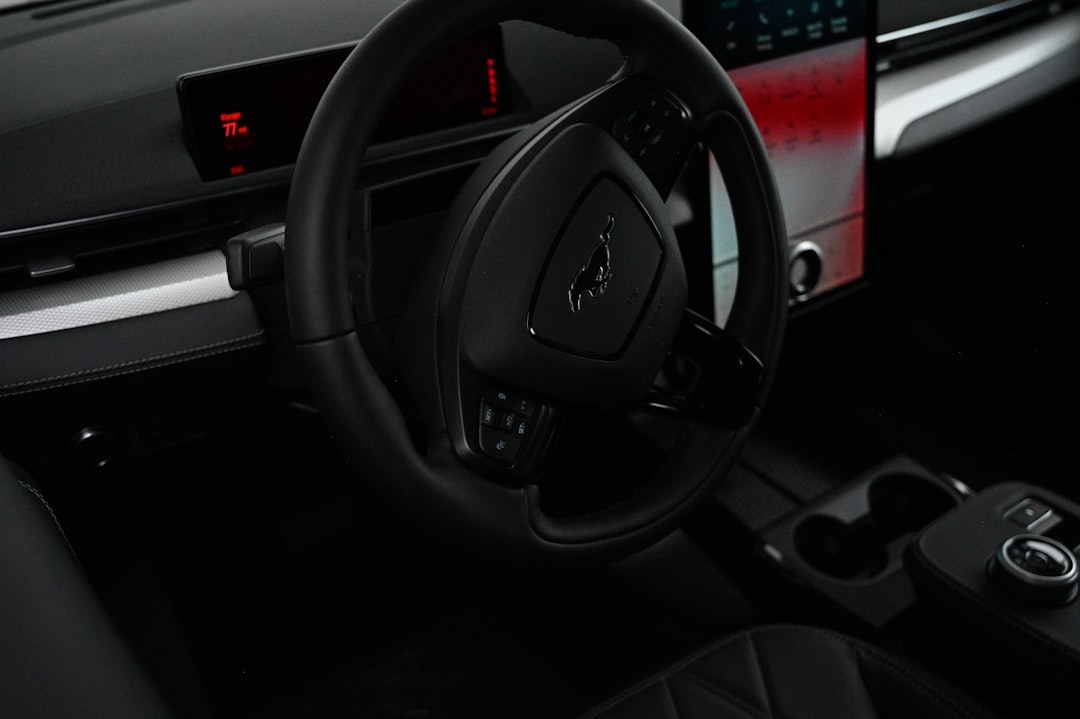
For the modern Indian consumer, an electric vehicle is much more than a replacement powertrain—it is a smartphone on wheels. Unlike legacy petrol vehicles that remain essentially static after leaving the showroom, modern EVs offer a deeply connected digital experience. Over-the-air (OTA) software updates continuously refine power delivery, optimize battery efficiency, and introduce new features long after purchase.
Integrated digital dashboards featuring navigation, real-time diagnostic telemetry, and remote vehicle tracking via mobile apps have become standard consumer expectations. Advanced Battery Management Systems (BMS) powered by machine learning algorithms now monitor individual cell health and temperature, actively adapting power consumption to suit harsh Indian summers and varied driving styles. This software-centric approach appeals immensely to tech-savvy buyers who view their vehicles as logical extensions of their digital lifestyle.
Tackling Infrastructure: Is Charging Getting Easier?
For years, range anxiety—the persistent fear of running out of charge before reaching a power outlet—served as the single biggest barrier to widespread adoption. However, India’s charging infrastructure ecosystem is expanding at an unprecedented rate. Public charging stations are becoming common fixtures at shopping malls, highway restaurants, office parks, and residential complexes.
Fast-charging standards have improved dramatically, reducing typical top-up times from hours to quick 30-minute stops. Simultaneously, interoperable charging networks allow drivers to locate, reserve, and pay for charging slots seamlessly through unified mobile apps. Private home-charging solutions have also evolved, with automakers bundling smart, weather-resistant wall chargers as standard equipment with vehicle purchases.
Two-Wheelers and Commercial Fleets Lead the Mass Adoption
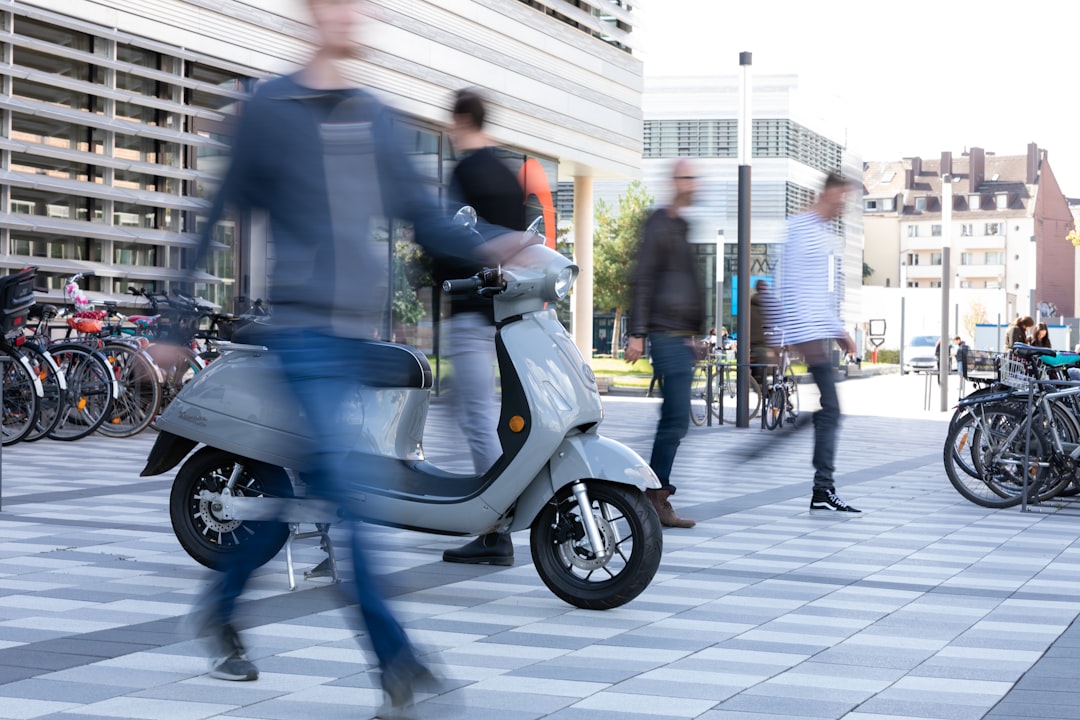
While high-end electric cars capture headlines, two-wheelers and commercial fleets remain the true backbone of India’s electric revolution. Electric scooters and light commercial vehicles account for the vast majority of total EV volume on Indian roads. Delivery services, ride-hailing platforms, and hyper-local logistics operations are aggressively transitioning their fleets to electric to minimize operating expenses.
In the two-wheeler segment, battery-swapping technology has emerged as a major game-changer. Commercial riders and daily commuters can swap a depleted battery for a fully charged one at automated kiosks in under two minutes, completely eliminating downtime. This innovative approach decouples the cost of the battery from the vehicle itself, making upfront acquisition significantly cheaper for budget-conscious buyers.
Key Challenges Still Facing the Indian Automotive Market
Despite the undeniable momentum, the path toward total electrification is not without friction points. Public charging infrastructure, while growing rapidly, remains concentrated primarily in major metropolitan areas. Tier-2 and Tier-3 cities still suffer from sparse charger coverage, making long-distance interstate travel in an electric vehicle a journey that requires careful planning.
Additionally, grid capacity and energy sourcing present long-term challenges. To maximize environmental benefits, the electricity powering these vehicles must increasingly come from renewable energy sources like solar and wind rather than coal-fired power plants. Initial battery replacement costs, recycling frameworks, and localized battery cell chemistry adapted specifically for tropical climates also remain active areas of development for research institutions and manufacturers.
Should You Make the Switch to an EV Today?
If you primarily commute within city limits and have access to dedicated parking with a standard power socket at home or work, switching to an electric vehicle today is not only feasible—it is financially advantageous. The dramatic reductions in monthly running costs, combined with smooth, noiseless acceleration and zero tailpipe emissions, offer a driving experience superior to most comparable petrol cars in the same price band.
However, for drivers who frequently embark on long-distance highway road trips through remote regions, a hybrid vehicle or waiting for the next generation of expanded highway charging corridors might still make practical sense. As localized battery production ramps up and competition intensifies among domestic and international brands, vehicle choices will expand while prices continue to trend downward.
The Road Ahead
India is undergoing one of the fastest automotive transitions in the modern era. Driven by high-tech features, lower running expenses, and expanding infrastructure, the shift toward clean mobility is accelerating beyond early projections. Electric vehicles are no longer a futuristic promise—they are officially redefining how India moves.