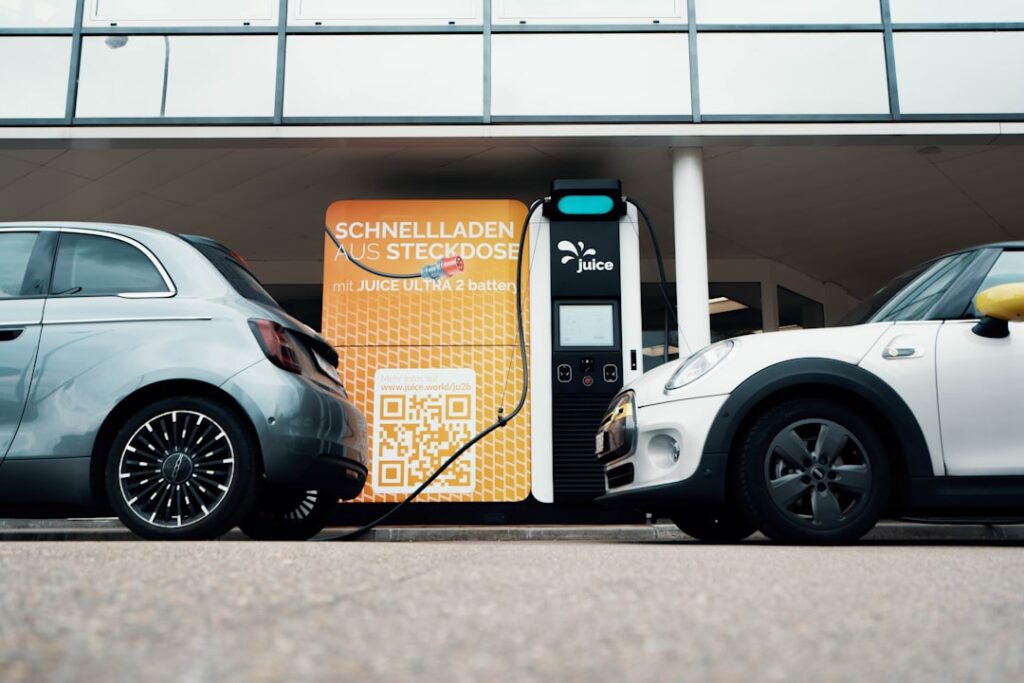

For years, the conversation around electric vehicles in India sounded like a distant tech dream. Skeptics pointed to patchy charging infrastructure, steep sticker prices, and the dreaded fear of running out of charge in bumper-to-bumper city traffic. But look out your window during morning rush hour today, and the landscape tells a very different story.
From quiet two-wheelers zipping through crowded alleyways to sleek electric SUVs cruising on expressways, battery power is no longer an experimental niche. In fact, EV adoption across Indian cities is experiencing an unprecedented surge. So, what flipped the switch? A powerful mix of declining battery costs, relentless software innovation, and changing buyer mindsets has turned electric cars from eco-curiosities into genuinely superior daily drivers.
1. The Math Behind the Switch: Pocket-Friendly Running Costs
While environmental consciousness is a fantastic bonus, what truly drives automotive decisions in India is economic practicality. With conventional fuel prices remaining volatile, running a petrol or diesel car for daily city commutes has become an increasingly painful line item in monthly household budgets.
Electric cars flip this equation entirely. The cost-per-kilometer for charging an EV at home remains a fraction of what you would pay at the petrol pump. When you combine those daily savings with significantly lower routine maintenance costs—thanks to electric drivetrains having far fewer moving parts than internal combustion engines—the higher upfront price tag pays for itself far quicker than early projections suggested.
2. Range Anxiety is Losing Its Grip
In the early days of electrification, an electric car promising barely 120 kilometers on a full charge was a hard sell for anyone planning a weekend getaway. Today, modern battery chemistry, specifically durable Lithium Iron Phosphate (LFP) packs engineered to withstand hot climates, has changed the game.
Current generation mainstream electric cars easily deliver realistic, real-world ranges between 250 to 450 kilometers on a single charge. For the average urban driver commuting 30 to 40 kilometers a day, that translates to plugging in just once a week. Range anxiety has quietly shifted from a constant worry to simple habit management.
3. Software-First Machines on Wheels
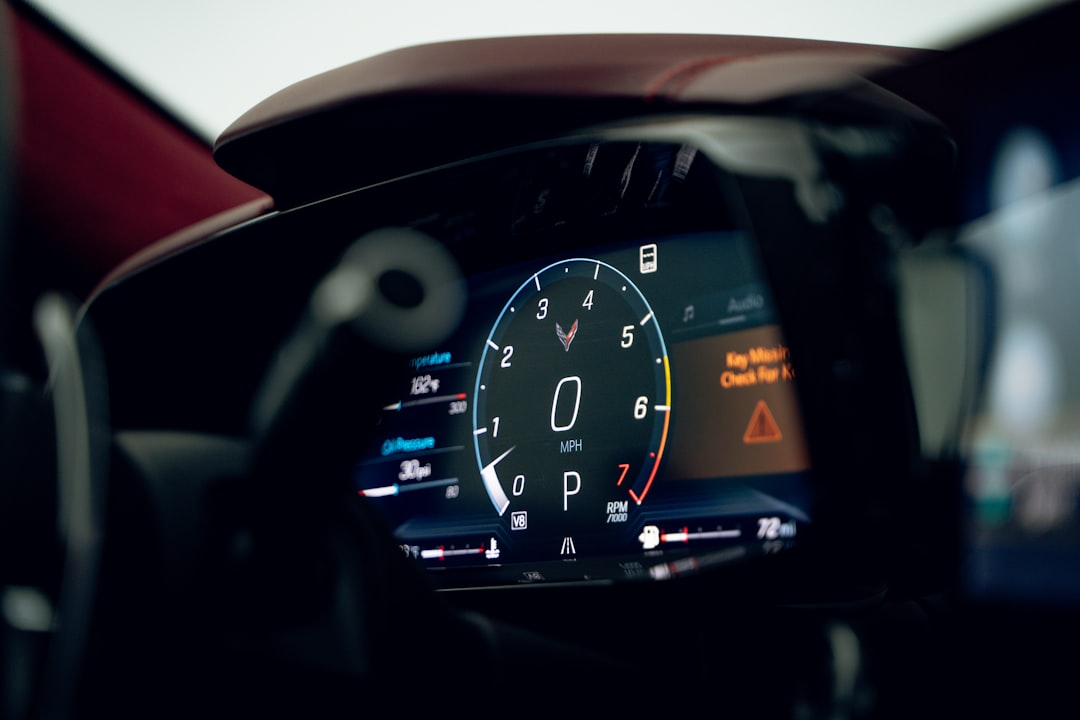
Modern car buyers, especially millennials and Gen Z tech enthusiasts, view their vehicles the same way they view smartphones: as connected platforms. Traditional combustion vehicles often feel dated inside, running sluggish legacy infotainment software with rare updates.
EVs, by contrast, are software-defined from the ground up. Features like remote cabin pre-cooling through smartphone apps, over-the-air (OTA) software enhancements, intelligent battery health tracking, and advanced driver assistance systems (ADAS) come standard on many electric models. Driving an electric vehicle feels distinctly like stepping into the future, offering instant torque, silent acceleration, and a level of digital polish that legacy cars struggle to match.
4. Fast-Expanding Charging Corridors
Charging infrastructure has long been the primary bottleneck, but the pace of deployment over the past two years has accelerated rapidly. Public charging points are popping up across shopping malls, office parks, and highway rest stops along popular intercity routes.
Oil marketing companies, power utilities, and private mobility startups are aggressively installing high-speed DC fast chargers along major national highways. While residential charging at home remains the primary method for most owners, knowing that a 30-minute coffee stop can add a 100-kilometer top-up on an expressway trip gives new buyers the confidence to finally make the switch.

5. Local Manufacturing and Diverse Choices
Choice was once a luxury reserved only for premium buyers looking at imported luxury badges. Today, homegrown automakers and global brands alike are investing heavily in local assembly and battery manufacturing facilities across India.
This push has unlocked a broad spectrum of choices across body styles and budget tiers. Whether you are shopping for a compact city hatchback, an everyday commuter crossover, or a high-end luxury cruiser, there is now an electric option available at almost every key price bracket. Increased local production not only drives down component costs but also ensures ready availability of spare parts and reliable after-sales service networks.
The Road Ahead: An Irreversible Shift
The transition to electric mobility is not without its ongoing challenges. Expanding residential charging access in high-density apartment complexes and continuing to expand the grid with renewable energy remain crucial priorities for long-term sustainability.
However, the tipping point has undoubtedly arrived. As battery technologies continue to mature and fast-charging networks blanket the country, the case for traditional fossil-fuel vehicles grows weaker by the day. If you have been on the fence about going electric, there has never been a better time to test-drive the silent revolution.